
The drinks themselves are only part of what a drinking session costs. Late-night food, the Uber home, the takeaway the next day, the missed gym session, the productivity dip at work, the canceled plans on Saturday afternoon. These secondary costs typically equal or exceed the cost of the drinks themselves. Most casual drinkers count the bar tab and ignore the rest. The honest annual cost of drinking is usually 1.8-2.2x the direct alcohol spend. This article is part of our Cost of Drinking hub, the complete guide to what drinking actually costs.
This article covers the specific hidden cost categories, with realistic per-session numbers, and how they accumulate.
# Why the hidden costs are so consistent
The hidden costs aren’t random or person-specific. They emerge from predictable consequences of drinking that affect most drinkers similarly:
Disinhibition produces secondary spending. Drinking lowers the threshold for “treating yourself,” “getting an Uber instead of walking,” “ordering food we don’t need.” These aren’t moral failings; they’re the predictable effect of alcohol on decision-making.
Hangovers produce time and energy reduction. The day after drinking, capacity for cooking, exercising, and decision-making is lower. The replacement (takeaway, gym membership unused, canceled plans) costs money or value.
The logistics of drinking are expensive. Drinking at venues requires transport home; drinking late requires food when restaurants and groceries are closed; drinking with friends often involves spending across multiple venues.
Recovery has a cost. Hangover-day food, hydration drinks, painkillers, vitamins, supplements all add up.
The patterns are consistent enough that the average secondary cost per session is fairly predictable: roughly 80-150% of the direct drink cost in pubs, 30-60% for home drinking.
# Late-night food: the largest hidden category
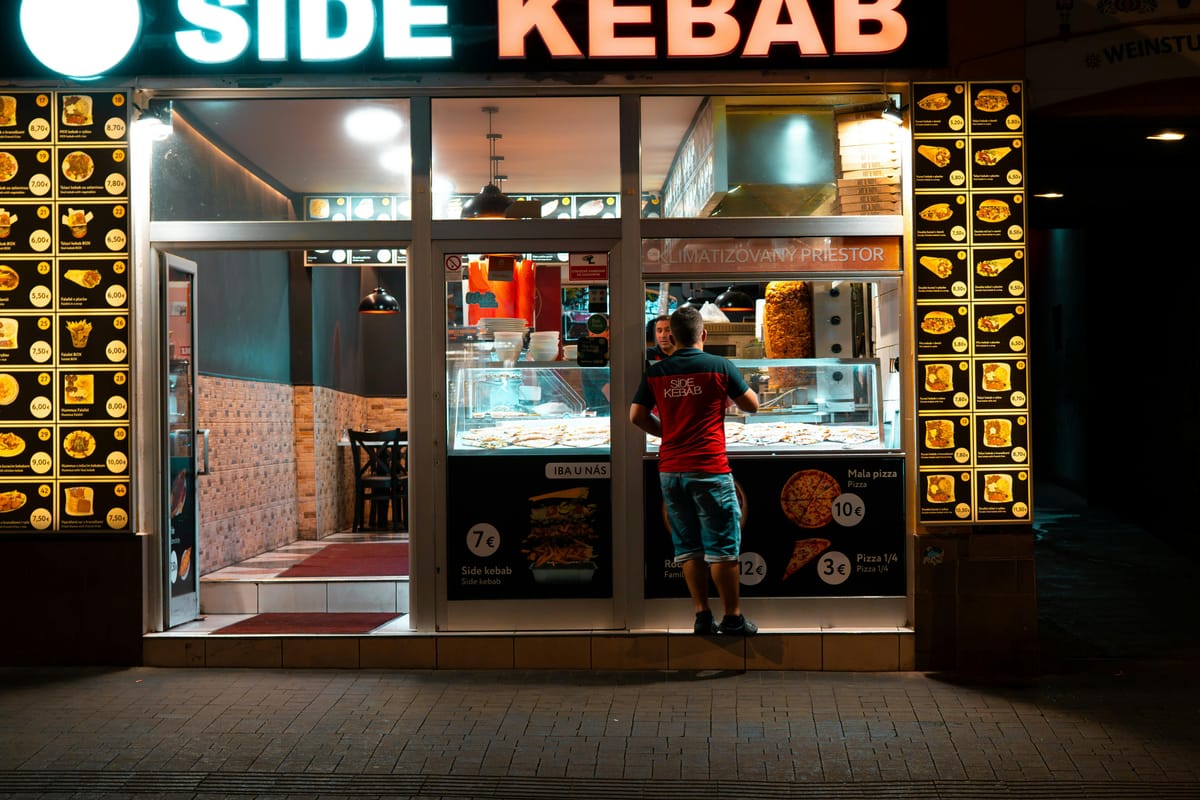
The post-pub kebab. The pizza on the way home. The 2am McDonald’s. Late-night food after drinking sessions is one of the most consistent secondary expenses.
Why it happens: alcohol disinhibits eating choices, increases hunger via blood sugar disruption, and the social context of drinking often involves food as part of the ritual. The food gets ordered without the conscious calorie or financial accounting that food choices usually involve when sober.
Typical UK costs:
- Kebab and chips: £8-12
- Pizza for one: £10-15
- Late-night Indian or Chinese: £15-25
- Drunk delivery for two: £25-40
Typical US costs:
- Late-night fast food: $12-20
- Pizza delivery: $20-30
- 24-hour diner: $25-40
Typical Australian costs:
- Late-night kebab/burger: AUD $15-25
- Pizza delivery: AUD $25-40
Annual addition for moderate drinkers: A drinker with 2 drinking sessions per week, half of which involve late-night food at average £12: 52 sessions × £12 = £624 a year in the UK. This is per person, not household.
For weekend bingers in pub-heavy patterns: often £900-1,500 a year on drinking-driven late-night food.
The food itself isn’t the hidden cost. The “we wouldn’t have ordered this without the drinking” aspect is.
# Transport: the other large category
Drinking sessions in city centers almost always involve elevated transport costs:
Why it happens: drinkers can’t drive home from sessions; sessions often run past public transport closing times; drunk decision-making favors convenient (expensive) transport over slower (cheaper) options.
Typical UK costs per session:
- Uber from city center to suburb: £15-30
- Black cab in London: £20-40
- Late-night taxi to nearby town: £25-50
- Train ticket if applicable: £5-15
Typical US costs per session:
- Uber/Lyft in major cities: $15-40
- Manhattan or San Francisco taxi: $20-50
Typical Australian costs per session:
- Uber in Sydney/Melbourne: AUD $20-45
Annual addition: A drinker with 2 venue-drinking sessions per week, average £20 transport home: 104 × £20 = £2,080 a year on drinking-driven transport.
For people in suburbs further from city centers, this can run £3,000+ a year. Transport is often the single largest hidden cost category.
The cost is genuinely a consequence of drinking. Sober people walking home from a 9pm dinner pay nothing. Drunk people getting home at 1am pay £20-30. Same destination, very different costs.
# Hangover-day food
The morning fry-up. The lazy Sunday takeaway. The “I can’t be bothered to cook” Tuesday-after-Monday-night-out delivery.
Why it happens: hangovers reduce cooking energy and motivation; drinking often coincides with reduced grocery shopping; hangover-specific food preferences (greasy, salty, processed) typically come from takeaways rather than home cooking.
Typical UK costs:
- Cooked breakfast: £8-15
- Hangover takeaway lunch: £12-20
- Hangover takeaway dinner: £15-30
Annual addition: For someone with weekly hangover days who orders one takeaway meal: 52 × £15 = £780 a year. Many heavy drinkers exceed this with multiple hangover-day takeaways.
Note that this category specifically captures the “would have cooked at home if not hungover” cost. People who would order takeaway anyway aren’t experiencing this cost; people who default to home cooking on non-hangover days are.

# Reduced exercise and gym membership inefficiency
Hangover days mean missed gym sessions, missed long runs, missed planned activities. The cost is twofold:
Direct cost: gym membership inefficiency. A £40-60/month gym membership used 30% less than non-drinkers’ equivalent membership represents £150-200 of effective wasted spending per year.
Indirect cost: missed exercise benefits. Reduced fitness compounds across years, contributing to slower metabolism, poorer cardiovascular health, and worse mood regulation. These aren’t direct out-of-pocket costs but represent real economic value through downstream health spending and reduced quality of life.
Annual estimate: £150-300 per year for the wasted-membership component, plus the harder-to-quantify lost-fitness component.
For people who pay for fitness classes, personal trainers, or sport club fees: the wasted-spending component scales with the membership cost.
# Lost productivity
Hangover days at work produce measurably reduced output. Studies estimate productivity at 30-60% of baseline on hangover days for cognitive work; manual labor productivity typically declines less but with elevated injury risk.
Cost calculation: For salaried workers, the cost is indirect (slower promotion progress, reduced output relative to peers, reduced career advancement) rather than direct out-of-pocket.
For freelancers, contractors, business owners, and commission-based workers, the cost is direct: a hangover day produces less billable work, fewer sales, lower business output.
Estimated annual impact: For a £40,000 salary worker with 50 hangover-impaired work days per year, the productivity loss represents roughly 5-7% of annual output. Over a career, this compounds into measurable lifetime earnings difference.
For a freelancer earning £400/day with 50 hangover-impaired days: roughly £10,000 of effective annual income reduction if hangover days produce half the output of non-hangover days.
# Healthcare and self-care costs
Smaller individual items but they accumulate:
Painkillers and hangover remedies. £40-100 a year for moderate drinkers, £150-300 for heavy drinkers.
Vitamins and supplements taken to “compensate” for drinking effects. B-vitamins, magnesium, milk thistle, hangover prevention products. £100-300 a year for many drinkers.
Sleep aids. People whose drinking disrupts sleep often spend on sleep aids, melatonin, magnesium, white noise machines, or eventually prescription sleep medications. £100-400 a year.
Skincare to address effects of drinking. Skin redness, puffiness, accelerated aging leads to spending on creams, treatments, sometimes professional procedures. Highly variable but £200-1,000+ a year for heavier drinkers prioritizing appearance.
Mental health support partly addressing alcohol-driven symptoms. Therapy, medication, supplements addressing anxiety or depression that’s at least partly alcohol-driven.
Direct healthcare: in private healthcare systems (US, parts of EU), drinking-related health issues drive measurable insurance premium increases and out-of-pocket spending. UK NHS drinkers don’t pay this directly but the system does.
# Replacement costs and lifestyle changes
Some less obvious categories:
Glassware replacement and household damage. Broken glasses, damaged furniture, replaced phones (dropped or lost during sessions). Highly variable; £50-300 a year for many drinkers.
Clothing and dry cleaning. Stains, damage, items left at venues. £100-400 a year for venue-heavy drinkers.
Premium pricing on alcohol-free options when reducing. When you switch to alcohol-free options, pubs and restaurants often charge similar or only slightly lower prices despite cheaper production cost.
Travel premiums. Holiday drinking often involves elevated venue prices. A typical week’s holiday for moderate drinkers includes £200-400 in drinking-related spend that wouldn’t occur at home.
# The total picture
Adding up the hidden costs for a moderate UK drinker (10-14 drinks per week, mix of pub and home):
- Late-night food: £400-800 a year
- Transport home: £800-2,000 a year
- Hangover-day food: £400-800 a year
- Wasted gym membership: £100-200 a year
- Painkillers/supplements: £100-300 a year
- Replacement and damage: £50-200 a year
- Holiday drinking premium: £200-400 a year
Total hidden costs: £2,050-4,700 a year.
Compared to typical direct alcohol spend of £2,500-3,500 a year for moderate drinkers, the hidden costs are a substantial multiplier on the visible spend.
# How to think about this
Several useful framings:
# Track the full cost, not just drinks
If you’re trying to assess what drinking actually costs you, include the secondary costs. Track Uber spending in the months you drink heavily versus light months. Track takeaway spending the same way. The contrast often surprises people.
# The reduction calculation works on hidden costs too
Cutting one pub session per week doesn’t just save the drink cost; it saves the Uber, the late food, the next-day takeaway. The actual saving from cutting one session is often 2-3x the bar tab.
# Some hidden costs are actively avoidable without drinking less
Even at the same drinking volume:
- Walking home instead of Ubering (where feasible) cuts transport
- Eating before the session reduces late-night food
- Cooking on hangover days reduces takeaway spend (harder than it sounds)
- Drinking at home rather than venues reduces both drink prices and most secondary costs
People who shift drinking patterns toward home and reduce venue sessions can dramatically reduce hidden costs without changing total alcohol intake.
# The convenience pricing premium
Most hidden costs are convenience pricing premiums. Late-night food costs more than groceries; Uber costs more than walking; hangover takeaway costs more than home cooking. Drinking pulls people toward the higher-priced convenience option in nearly every category.
# What actually helps
The interventions that reduce hidden costs:
- Eat before drinking sessions (reduces late-night food)
- Plan transport home before sessions start (reduces panicked expensive transport)
- Hydrate during drinking (reduces hangover severity, reduces hangover-day spending)
- Don’t drink immediately before exercise days (reduces wasted gym membership)
- Set drinking session budgets that include the secondary costs
These don’t require drinking less; they reduce the secondary spending that typically follows drinking.
# How AlcoLog supports the full-cost view
AlcoLog logs each drink with cost. The default price is a typical venue price for that type of drink in your currency, which follows your region unless you pick another; you can edit it per drink for your local pricing.
For full-cost tracking, the data shows direct alcohol spend. The hidden costs (Ubers, takeaways, gym waste) need to be tracked elsewhere, but AlcoLog’s session timestamps make the correlation visible. You can compare your monthly Uber spend against your drinking sessions in your banking app and see the direct link.
The CSV export gives raw session data with timestamps, which can be combined with banking exports for full hidden-cost analysis. People who want to see the complete financial picture of their drinking can build it from this data.
The session-end summary captures what each session cost in drinks. Adding the secondary costs in your head as you leave each session (“£32 in drinks plus £15 Uber plus £10 kebab = £57 session”) shifts the perception of session cost toward more accurate values.