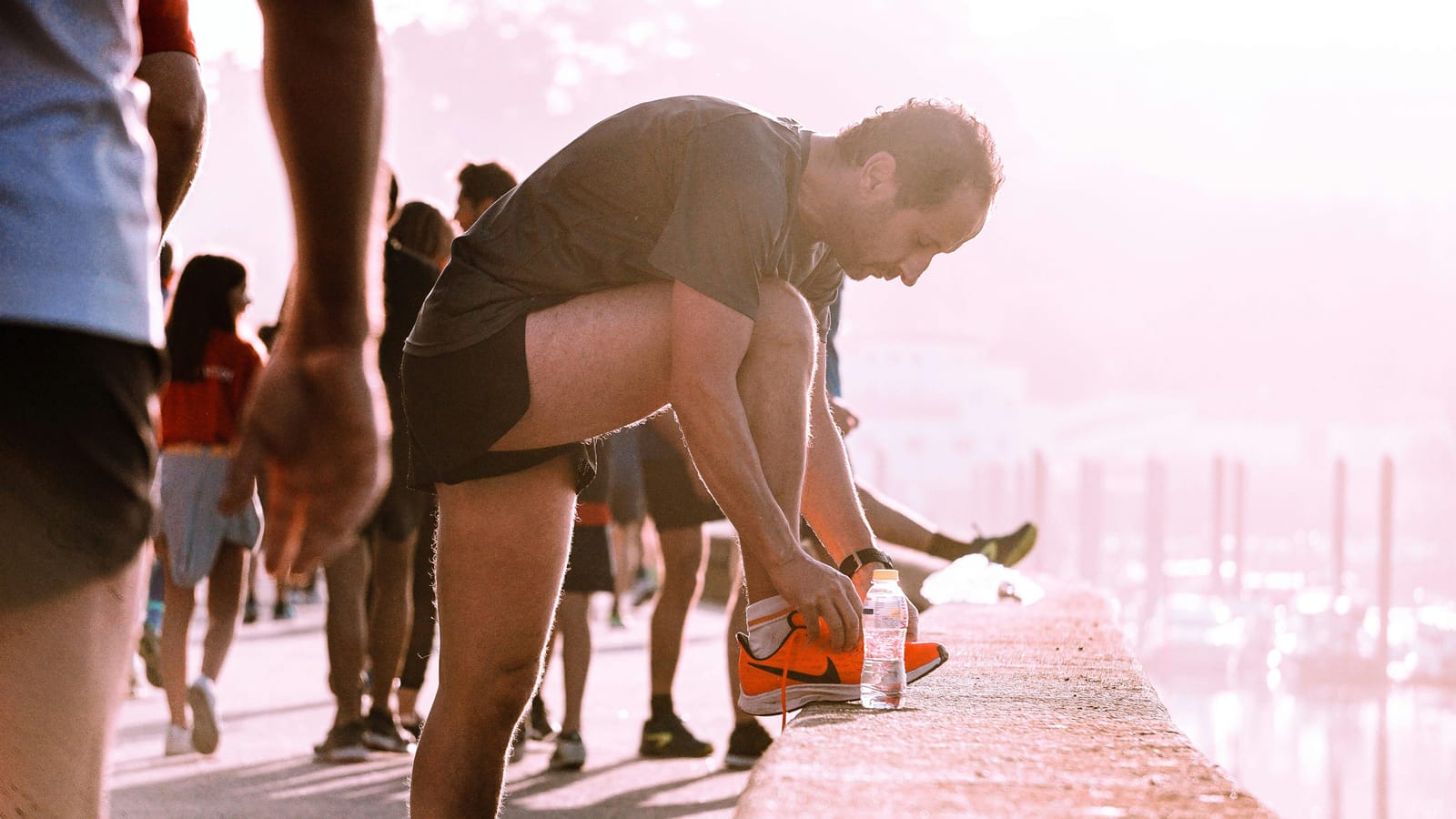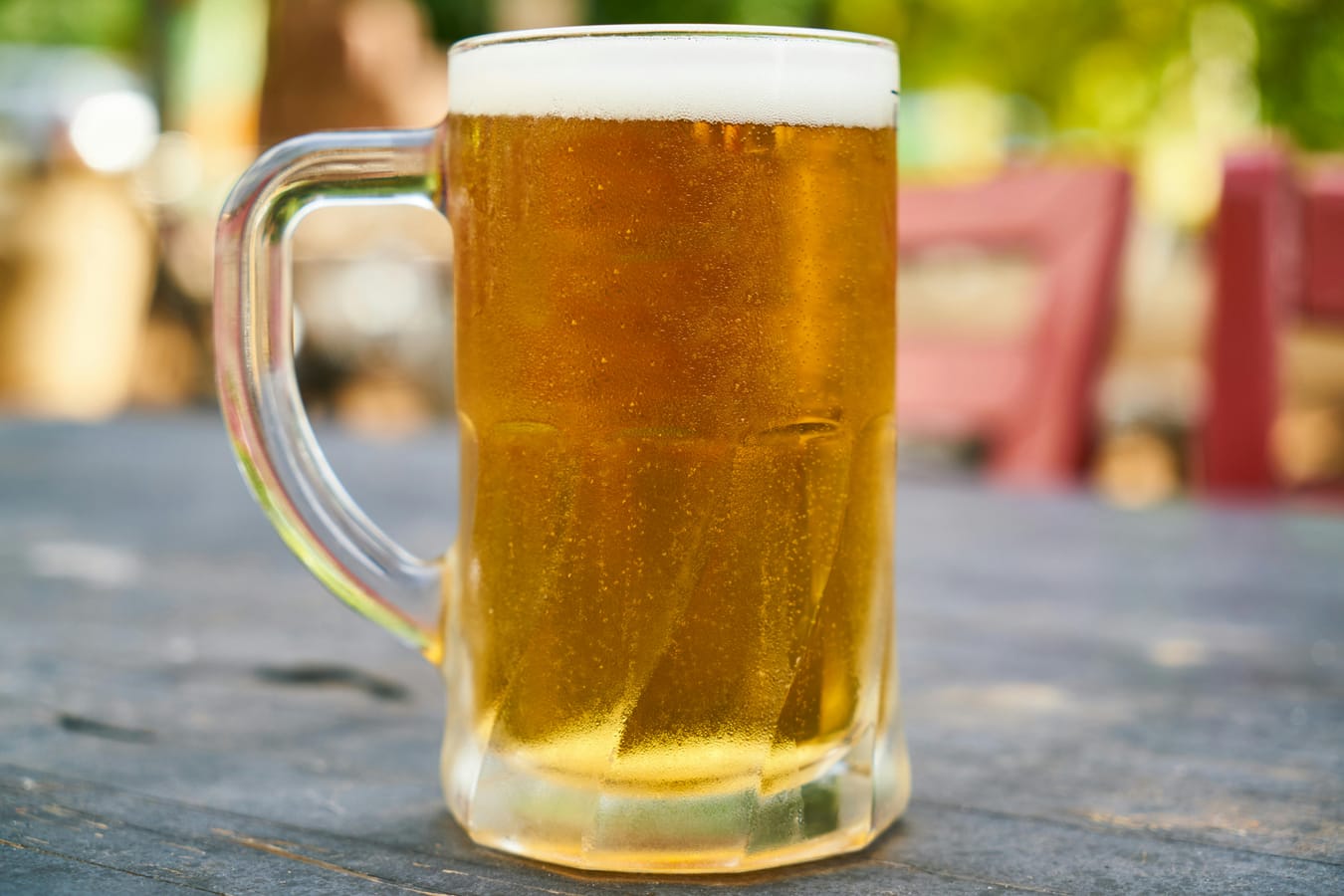

A common pattern: train hard, head straight to the pub, drink with the team or a few friends. The training-and-drinking combination is widespread enough to be a cultural ritual. The honest answer on how much it costs you depends on what you train for, how hard you trained, how much you drink, and a few other factors. This article is part of our Alcohol and Fitness hub, the complete guide to how drinking interacts with training.
This article covers what happens biologically when you drink in the post-workout window, when it actually matters, and the practical decisions that make it less costly.
# The window that matters
Your body responds to training by upregulating muscle protein synthesis (the process of building or repairing muscle tissue) for roughly 24-48 hours afterwards. The peak response happens in the first 4-8 hours.
Alcohol consumed during this window directly suppresses the protein synthesis signaling pathway (mTOR, for the technically minded). Studies have measured this directly: a 2014 paper in PLOS One by Parr et al. tracked myofibrillar protein synthesis after weight training in young men consuming alcohol, protein, both, or neither. The alcohol group’s synthesis response was reduced by 24% even when they also consumed adequate protein.
The 24-37% range comes up consistently across replication studies. Alcohol genuinely blunts the muscle-building response to training, in the timeframe most active people drink in.

# What “bad” actually means in practice
The phrase “alcohol kills your gains” is too strong for casual drinkers and not strong enough for serious athletes. The honest picture varies by person and context:
For someone training 3 days a week recreationally: drinking 3-4 beers after one of your training sessions probably costs you maybe 5-10% of that session’s adaptation response. Across a year, that’s a meaningful but not catastrophic difference. You’ll still progress; you’ll just progress slightly slower than you would sober.
For someone training 5-6 days a week trying to make progress: post-workout drinking after most sessions becomes the bottleneck. The cumulative protein synthesis suppression actually does start to limit total adaptation. Most people in this category notice it within 4-8 weeks.
For an athlete in competition prep: the math changes. Strength athletes peaking for a meet, endurance athletes in marathon training, anyone with a specific 8-12 week training block. Post-workout drinking during these blocks measurably reduces preparation quality. Most coaches recommend significant reduction during these periods.
For someone training for general health: post-workout drinking is mostly fine. The training is providing the benefit; the alcohol is reducing efficiency at the margin. If your goal is fitness rather than maximum gains, the cost is small.
# Why post-workout is specifically the worst timing
Three reasons drinking right after training is worse than drinking at other times:
# Acute synthesis suppression
The 4-8 hour window after training is when your muscles are most signaled to build. Drinking during this window directly disrupts that signaling. Drinking 24 hours later, when synthesis is winding down anyway, has less impact on the same training session.
# Glycogen replenishment delayed
Your muscles need to refill glycogen stores after intense training. Alcohol prioritizes liver metabolism for itself, slowing the absorption and storage of carbohydrates you eat. This is why a post-workout meal eaten alongside drinks often produces less optimal recovery than the same meal eaten alone.
# Hydration deficit on top of training deficit
You’re already mildly dehydrated from training. Alcohol’s vasopressin suppression (we cover this in The Science of a Hangover) compounds the deficit. The next morning’s headache or sluggishness from a post-workout drinking night is worse than the same drinks consumed on a non-training day.
# What about beer specifically?
Beer occupies a complicated cultural position in the post-workout drinking conversation. The “beer is hydrating” claim is partly true (beer is mostly water) but partly false (alcohol’s diuretic effect outweighs the water content of normal-strength beer).
Specifically:
- Light beer (2-3% ABV): roughly hydration-neutral. Not actively dehydrating.
- Standard beer (4-6% ABV): mildly dehydrating despite the water content.
- Strong beer (7%+ ABV) or IPA: clearly dehydrating, similar to most alcoholic drinks.
The “post-run beer” tradition for runners, cyclists, and team sports has some defense in moderation, particularly with low-alcohol beer. The carbs and water do partially help recovery; the alcohol partially undoes the benefit. Net effect: better than spirits for post-workout drinking, worse than just water and food.
We cover this specific pattern in Beer After a Run: Tradition or Sabotage?.

# When the timing matters most
Your training type changes how much post-workout drinking costs:
# Strength and hypertrophy training
The protein synthesis suppression is the primary cost. The 4-8 hour window after lifting is the most important window. Drinking immediately after a heavy lifting session has the highest cost.
For strength-focused training, the rule is: don’t drink within 4 hours of lifting if you can help it. Even spacing the drinking out by a few hours reduces the impact substantially.
# Endurance training
The hydration and sleep effects matter more than protein synthesis. Drinking immediately post-run or post-ride has less direct cost than for lifters, but the next-day training session is more affected because you’re starting it depleted and slept poorly.
For endurance training, the cost is the next training session, not the recovery from this one.
# Skill training
Alcohol’s effects on motor learning and coordination are real but less studied. Drinking after a skill-heavy session (climbing, gymnastics, martial arts, technical sports) likely reduces consolidation of what you practiced. The effect is harder to quantify than strength or endurance impacts.
# Cardio at moderate intensity
Lowest cost. The recovery demands are smaller, the protein synthesis response is smaller, and the next-day impact is smaller. Drinking after a 30-minute jog has minimal effect compared to drinking after a heavy lifting session or long run.
# Practical guidance
If you’re going to drink post-workout, the choices that minimize the cost:
# Eat first
A real meal between the workout and the drinks helps in several ways: provides the protein and carbs your recovery needs before alcohol disrupts absorption, slows the alcohol absorption rate when you do drink, and reduces the next-day hangover impact.
# Hydrate first
A liter of water plus electrolytes (or a sports drink) before the first beer addresses the training-induced dehydration before alcohol amplifies it. Most post-workout dehydration problems can be substantially reduced by this single change.
# Limit the volume
3-4 drinks post-workout produces a recoverable cost. 6-8 drinks produces a meaningful loss of training adaptation and a poor following day. The volume threshold matters more than most people credit.
# Avoid back-to-back training-and-drinking days
If you train Monday and drink Monday night, training Tuesday is going to be substandard. Better to have one drinking night per week than three. Concentrate the drinking on a non-training day if possible.
# Consider lower-alcohol options
Light beer, smaller wine pours, drinks with mixers diluting the alcohol. The total alcohol volume drives most of the cost; reducing volume per drink lets you have the social experience without proportionate damage.
# Skip the very heavy training the day after
If you know you’re going to drink heavily, plan the next day’s training accordingly. Heavy lifting hungover is meaningfully more injury-prone (proprioception, reaction time, and judgment are all impaired). A long endurance session can be done badly hungover but you’ll suffer through it.
# Things people overstate
A few claims worth pushing back on:
# “One beer ruins your gains for a week”
False. One beer has measurable acute effects but doesn’t meaningfully alter weekly training adaptation. The “ruins your gains” framing is wellness-influencer hyperbole.
# “Post-workout drinks are fine if you have whey protein with them”
Partially false. Adequate protein helps but doesn’t fully offset the alcohol-induced synthesis suppression. The Parr study tested exactly this scenario and found alcohol still reduced synthesis even when adequate protein was consumed.
# “Beer carbs are great for recovery”
Mostly false. Beer does contain carbohydrates, but the alcohol content interferes with carbohydrate metabolism. A bowl of rice or oats provides better carbohydrate recovery than the same calories of beer.
# “If you sleep well, alcohol doesn’t matter”
Partially true. Sleep does buffer some of the impact, particularly the hormonal effects. But you don’t sleep as well after drinking as you do without, so this is somewhat self-defeating.
# How AlcoLog tracks the post-training pattern
AlcoLog logs each drink with timestamp, so the running stat line shows exactly when in the day you drank. If you typically train at 6pm and drink at 8pm, the timing pattern becomes visible in your session data.
Over time, the History view shows weekly patterns, including which days you drink and at what intensity. For active people trying to balance training with drinking, the calendar heatmap surfaces the consecutive-night patterns that compound recovery deficit.
The AlcoScore Recovery pillar specifically factors in rest days between sessions. For athletes monitoring whether drinking is impacting recovery, watching the Recovery pillar trend over weeks is one of the more honest signals available.