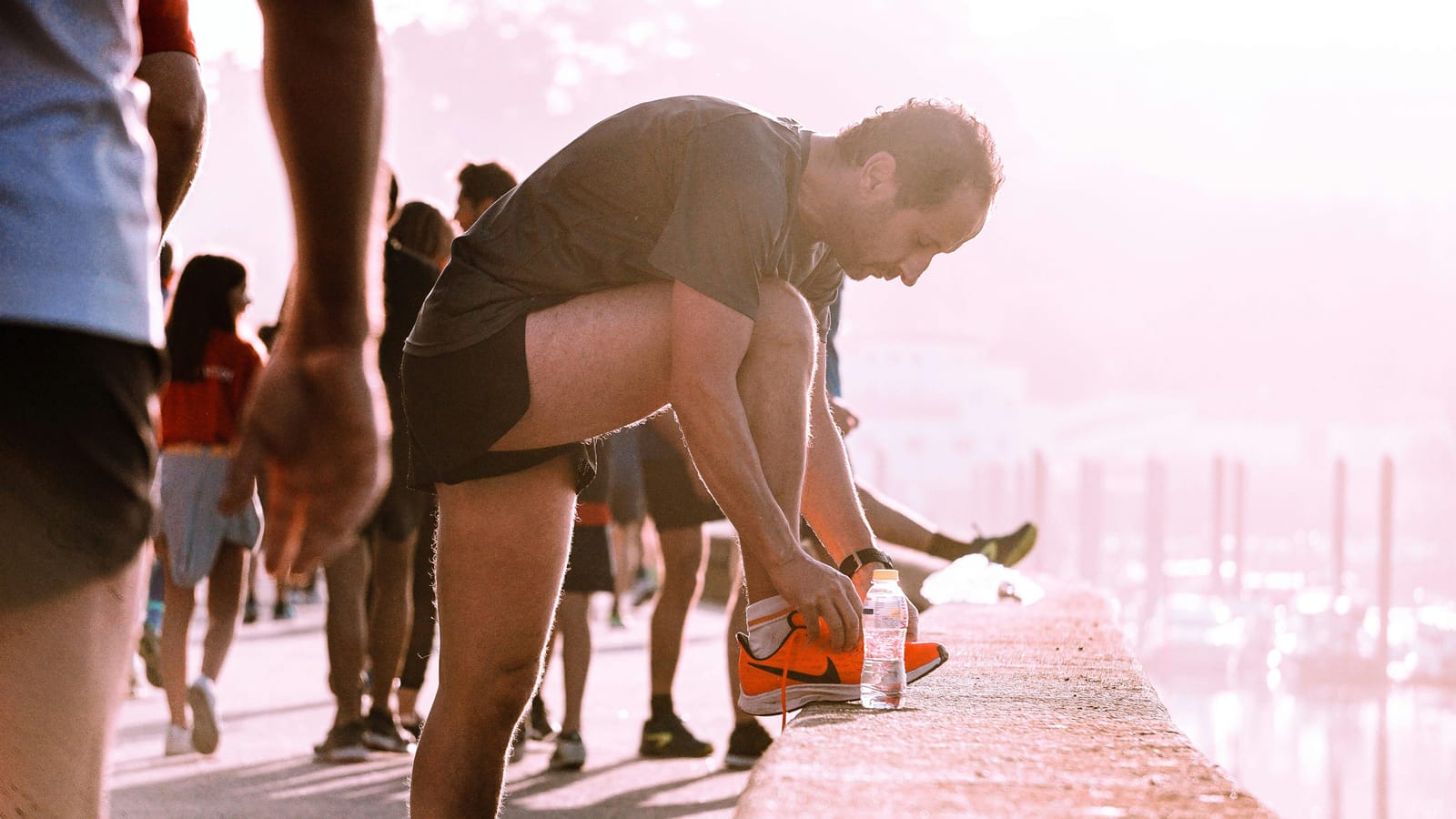
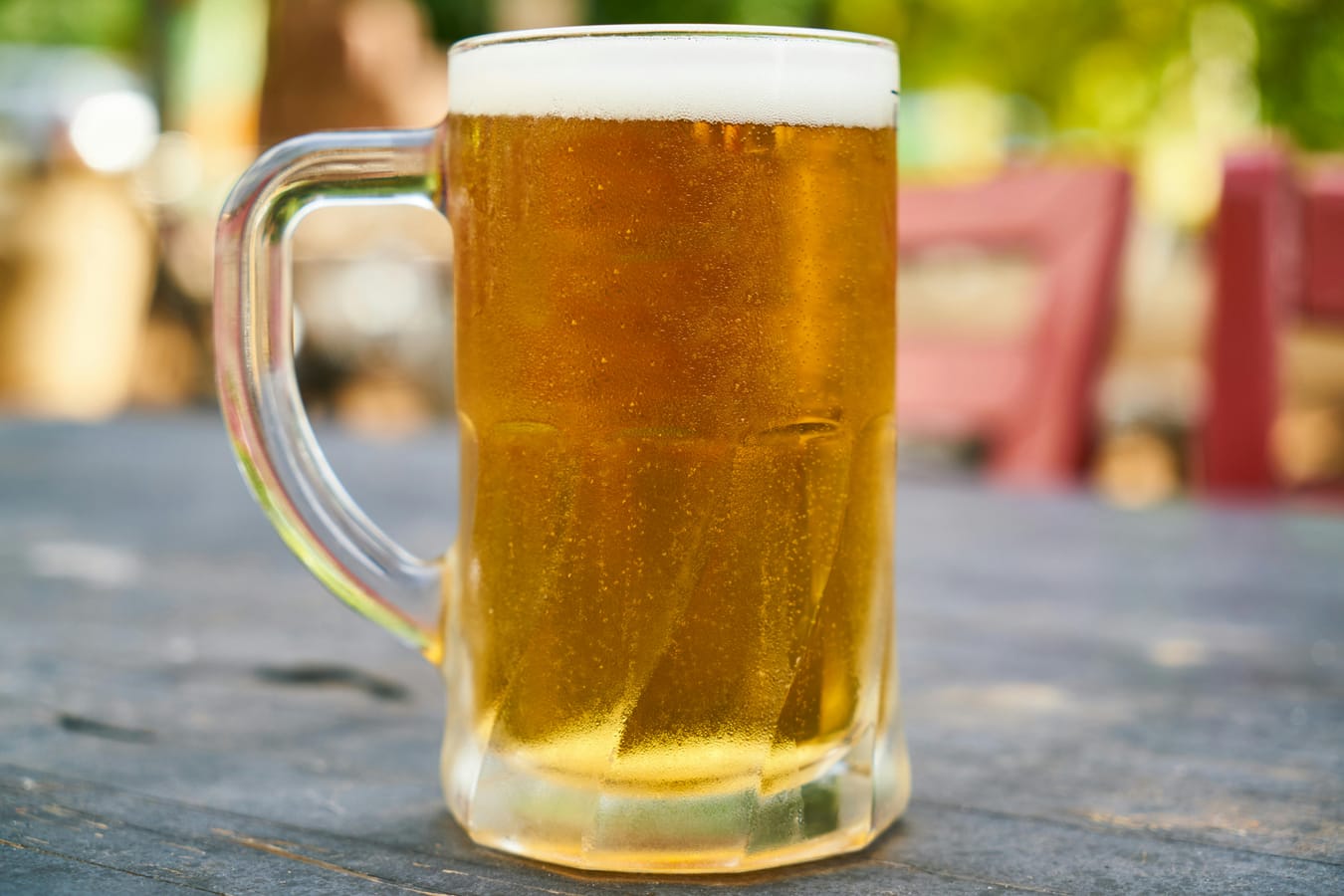
The post-run pint has deep roots in running culture. Beer Mile races. Run clubs that finish at the pub. Marathon training plans that allow for “a few beers” on long-run weekends. The question of whether the post-run beer actually helps, hurts, or doesn’t matter much has more nuance than either the wellness “no alcohol ever” view or the casual “carbs are carbs” view captures. This article is part of our Alcohol and Fitness hub, the complete guide to how drinking interacts with training.
This article covers what’s actually happening when you drink beer after a run, when it makes a real difference, where alcohol-free beer fits in, and the honest cost-benefit for different kinds of runners.
# The honest framing
A post-run pint involves three things happening at once:
- Hydration: beer is mostly water (~90% by volume in standard lager). The water content does help rehydrate you.
- Carbohydrate: beer contains some carbs (typically 10-15g per pint of standard lager), useful for glycogen replenishment.
- Alcohol: typically 4-6% by volume, with the diuretic, recovery-disrupting, and protein-synthesis-suppressing effects we covered in Alcohol After a Workout.
Whether the net effect of one beer is positive, neutral, or negative depends on which factors dominate for your specific situation. There’s no universal answer.

# When the post-run beer is genuinely fine
A few situations where one or two beers after a run does minimal damage and may even be slightly net-positive:
# Easy or moderate runs (under 60 minutes)
Recovery demands are smaller. Glycogen depletion is partial rather than severe. Hydration deficit is modest. One beer’s diuretic effect is offset by the water content and the amount you’d normally drink alongside food.
For a recreational runner doing a 30-45 minute easy run, a post-run beer is essentially a social treat with minimal training cost.
# Light beer (under 4% ABV)
Lower alcohol means lower diuretic effect, lower interference with carbohydrate absorption, lower hangover risk. A 3.5% pale ale or session beer is closer to “carbs and water” with a minor alcohol penalty than a regular pint is.
# Drinking alongside food
A beer alongside a proper post-run meal mitigates many of the costs. The food provides the protein and carbs your recovery needs; the beer’s alcohol absorbs more slowly; the dehydration risk is reduced.
The “beer with dinner” version of post-run drinking is genuinely different from the “beer on an empty stomach” version. The first costs you very little; the second costs noticeably more.
# Recovery days, not training days
Drinking on Sunday after a long Sunday run when Monday is a rest day costs less than drinking after a Tuesday tempo run with another quality session on Wednesday. The 24-48 hours of impaired recovery hits emptier ground when there’s no training to compromise.
# When the post-run beer becomes sabotage
The pattern shifts in several scenarios:
# Long runs (90+ minutes) and races
Long runs deplete glycogen substantially and produce real dehydration. Drinking alcohol while still depleted compounds both problems. Recovery from a 20-mile training run with several beers afterwards is meaningfully worse than the same run with hydration and food only.
For marathoners during peak training weeks, post-long-run drinking is one of the higher-cost choices available. Most marathon coaches recommend either skipping or substantially reducing it.
# Multiple drinks rather than one
The cost-benefit of beer after a run flips quickly with volume. One pint at 4% is a minor cost. Three pints is a meaningful cost. Five pints is a serious recovery hit and probably a sub-optimal next several days of training.
The “one beer with the run club” tradition has a specific shape: one beer, with food, lots of water alongside, then home. The “five pints with the run club” version is a different activity that happens to start after a run.
# Training for a goal event
If you’re 8-12 weeks from a marathon, half-marathon, or other goal race, the cost calculus changes. Marginal recovery quality compounds across training cycles. The same beers that are fine in base training become suboptimal in peak training.
Most serious runners targeting a goal time substantially reduce or eliminate post-run drinking in the final weeks. This isn’t moralism; it’s that a 1-2% difference in training quality across 8 weeks shows up at the start line.
# Hot weather and heavy sweating
Running in heat produces sodium and electrolyte losses beyond the water deficit. Beer’s salt content is minimal; it doesn’t replace what you sweated out. Drinking after hot-weather runs without electrolytes is the worst version of post-run drinking. Adding salty food (crisps, peanuts) and water alongside helps substantially.
# The alcohol-free beer option
Alcohol-free beer (less than 0.5% ABV) has improved substantially in quality over the past 10 years and now occupies a useful niche for active drinkers.
What alcohol-free beer offers post-run:
- The water content (~95% by volume) for actual rehydration
- The carbohydrate content (similar to regular beer) for glycogen
- Some isotonic varieties are formulated specifically for post-exercise recovery
- The social experience of having “a beer” with the run club
- None of the recovery-disrupting effects of alcohol
What it doesn’t offer:
- The full social experience of drinking (some people find this matters more than others)
- The relaxation effect of alcohol (which is a real benefit that some people specifically value)
A 2012 study from the Technical University of Munich (the Be-MaGIC trial) gave 277 marathon runners 1 to 1.5 liters a day of alcohol-free wheat beer or a placebo drink for three weeks before and two weeks after the Munich Marathon. The beer group showed less post-race inflammation and fewer upper respiratory infections. The researchers credited the beer’s polyphenols, alongside the basic water and carbs.
For runners who want the post-run pint experience without the cost, alcohol-free beer is a genuinely good substitute. The “athletic ales” category (Athletic Brewing in the US, Lucky Saint and Big Drop in the UK) has produced products that drink well enough that switching from regular beer doesn’t feel like a major sacrifice.
We don’t link specific alcohol-free beer products in this article because the right choice varies by region and palate; check your local supermarket or specialist alcohol-free retailers.
# What about hydration drinks instead?
The clearest “what should you drink after a run” answer for recovery purposes alone is electrolyte drinks plus water plus food. We cover the options in Electrolytes and Hangovers, but the principles apply equally to post-run rehydration.
The post-run beer is a social-cultural choice as much as a recovery one. Nobody who’s serious about recovery is choosing beer over a proper electrolyte drink and food. People drink beer after running because they enjoy it, because their running club does, because the pub is part of why they run. The honest framing isn’t “is beer good for recovery?” but “is the social benefit of the post-run pint worth the moderate recovery cost?”
For most recreational runners most of the time, the answer is yes. The cost is small, the social benefit is real, and running performance over weeks is barely affected.
For runners with specific competitive goals or higher mileage, the answer becomes “sometimes” rather than “usually.”
# Practical guidance
If you want to keep the post-run beer as part of your routine without compromising training:
# One pint, not three
The volume threshold is real. One beer after most runs costs you very little. Three or more starts to compound.
# Eat first or alongside
A real meal before or with the beer reduces the cost substantially. The “beer on empty stomach in the pub” version is the most expensive version of post-run drinking.
# Hydrate aggressively before the beer
A pint of water and ideally an electrolyte drink between finishing the run and starting the beer addresses the dehydration deficit before alcohol amplifies it.
# Save it for easier runs
If you’re going to drink after a run, doing it after easy or recovery runs costs less than doing it after long runs or quality sessions.
# Try alcohol-free for hot or hard runs
The alcohol-free option lets you keep the social experience without the cost on the runs where the cost would be highest.
# Don’t drink after running into your second drink at home
A common pattern: one beer after the run with the club, then keeping the drinking going at home. This turns a low-cost post-run beer into a high-cost drinking session. The post-run beer at the club isn’t the problem; the four hours of additional drinking afterwards is.
# How AlcoLog supports the active drinker
AlcoLog logs drinks with category and ABV, so light beers and alcohol-free beers can be logged distinctly from regular drinks. Alcohol-free beer logs as zero units toward consumption alerts and AlcoScore intensity calculations, while still appearing in the session timeline so you can see your overall drinking pattern.
The History view shows weekly patterns over time. Active drinkers can see whether the post-run pints are clustering on training days (higher cost) or rest days (lower cost), and adjust if the pattern doesn’t match what they intended.
The session-end summary reports total drinks, total alcohol, total calories, and time spent. Useful for the post-run runner who wants to see whether “just one with the team” turned into something larger.