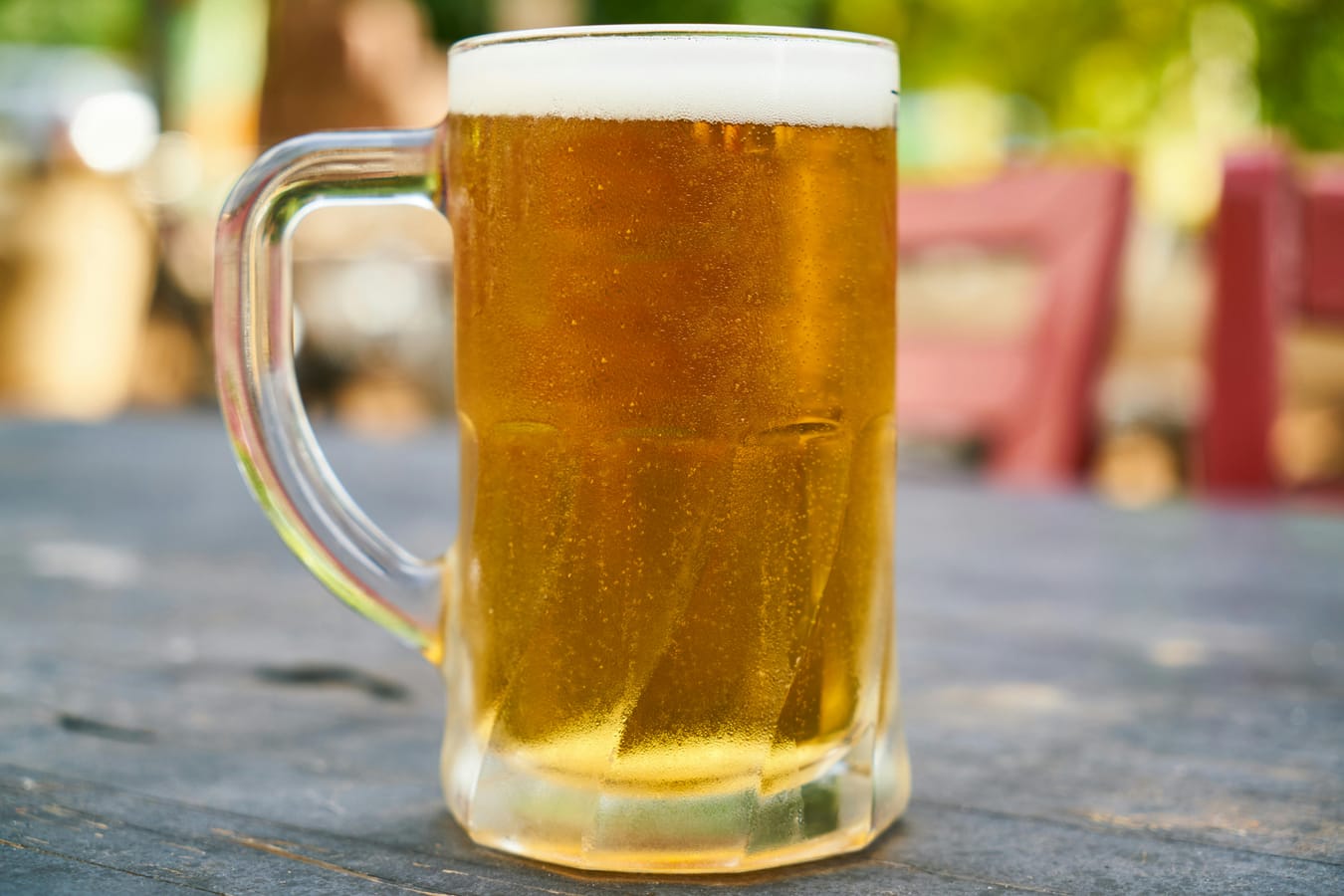
Most active people aren’t going to quit drinking entirely, and most don’t need to. The realistic question is: how much does drinking actually affect your training, where do the trade-offs hit hardest, and what choices make the biggest difference. The science here is more nuanced than the wellness-influencer line of “alcohol ruins everything” but more substantial than the casual drinker’s “a few beers is fine.” This guide covers the actual mechanisms, the trade-offs at different drinking volumes, and the practical decisions that matter most.
This is the pillar of our Alcohol and Fitness hub. Sub-articles go deeper on specific aspects (post-workout drinking, beer after running, marathon training, hormonal effects).
# What alcohol actually does to a trained body
Alcohol affects training across five main mechanisms:
Protein synthesis suppression. Alcohol directly impairs the muscle-building signal (mTOR pathway) for several hours after drinking. This isn’t subtle. Studies measuring myofibrillar protein synthesis after weight training have found alcohol consumed post-workout reduces the synthesis response by 24-37% compared to no alcohol. The effect is dose-dependent and most pronounced when alcohol is consumed in the 4-8 hour window after training.
Recovery disruption. Sleep architecture changes after drinking (we cover this in our Hangovers and Sleep article). Less REM, fragmented second half of the night, lower growth hormone secretion during sleep. Athletes generally need more sleep than the average person to recover; alcohol erodes the quality of what sleep you do get.
Hydration. Alcohol suppresses vasopressin, your kidneys flush more water than they retain, and you wake up dehydrated. For an athlete training the next day, this means meaningfully reduced performance for endurance work, faster perceived exertion, and elevated injury risk for any explosive or change-of-direction movement.
Hormonal effects. Heavy drinking elevates cortisol and reduces testosterone in the 24-48 hours after a session. Light drinking (1-2 standard drinks) produces minimal effects on most people; moderate-to-heavy drinking (5+ drinks) produces measurable hormonal disruption that affects recovery and adaptation.
Inflammation and immune function. Alcohol triggers low-grade systemic inflammation and temporarily reduces immune function. For someone training hard, both compound the recovery cost of training itself.
# The dose-response question
The most useful frame for thinking about alcohol and fitness isn’t “is alcohol bad for training” (yes, in nearly all dimensions) but “how much does alcohol meaningfully affect MY training at MY drinking level.”
The relationship between alcohol intake and fitness impact is non-linear. Roughly:
1-2 drinks, occasionally: minimal measurable effect on training adaptation. Sleep slightly fragmented; protein synthesis slightly lower for a few hours; otherwise close to baseline.
3-4 drinks, occasionally: real but modest effect. One night of clearly sub-optimal recovery; performance the following day noticeably reduced; a single training session compromised. Training adaptation over weeks barely affected if drinking is genuinely occasional.
5-7 drinks, occasionally: significant single-event impact. Two days of reduced performance, meaningfully impaired recovery from the day’s training, sleep substantially worse. Weekly drinking at this volume starts to compound across training cycles.
8+ drinks in a session, OR multiple drinking sessions per week at any volume: training adaptation visibly slows. Strength and endurance gains stall or reverse. Body composition changes. Most serious athletes who track this notice it within 4-6 weeks of consistent moderate-or-heavier drinking.
The sharp inflection point for most people is somewhere around 4-5 drinks per session. Below that, the cost is real but absorbable. Above that, the cost compounds quickly.
# Specific training contexts
The impact of drinking depends on what you’re training for.
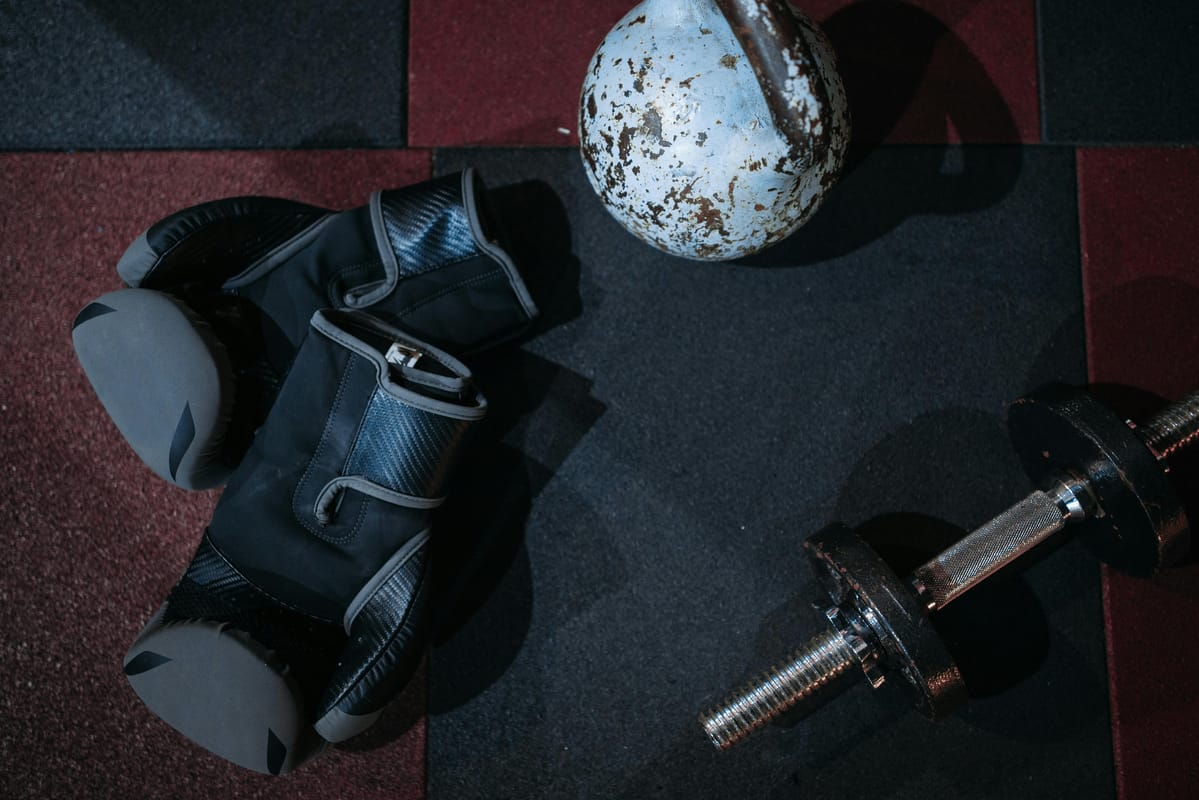
# Strength training
Alcohol’s protein synthesis suppression hits resistance training hardest. The body’s response to weight training is to upregulate muscle protein synthesis for 24-48 hours; alcohol consumed during this window blunts the response.
Practical implications:
- Post-workout drinking is the worst timing window
- Pre-workout drinking is bad for performance but better for recovery than post-workout (the alcohol clears before the synthesis window opens)
- Drinking on rest days has less impact on strength gains than drinking on training days
- The dose matters more than the timing for most lifters
A casual lifter who drinks 4 beers on Saturday and trains Monday-Wednesday-Friday loses very little strength progress. A serious lifter trying to add weight to their bench press while drinking 3-4 nights a week is fighting their own training.
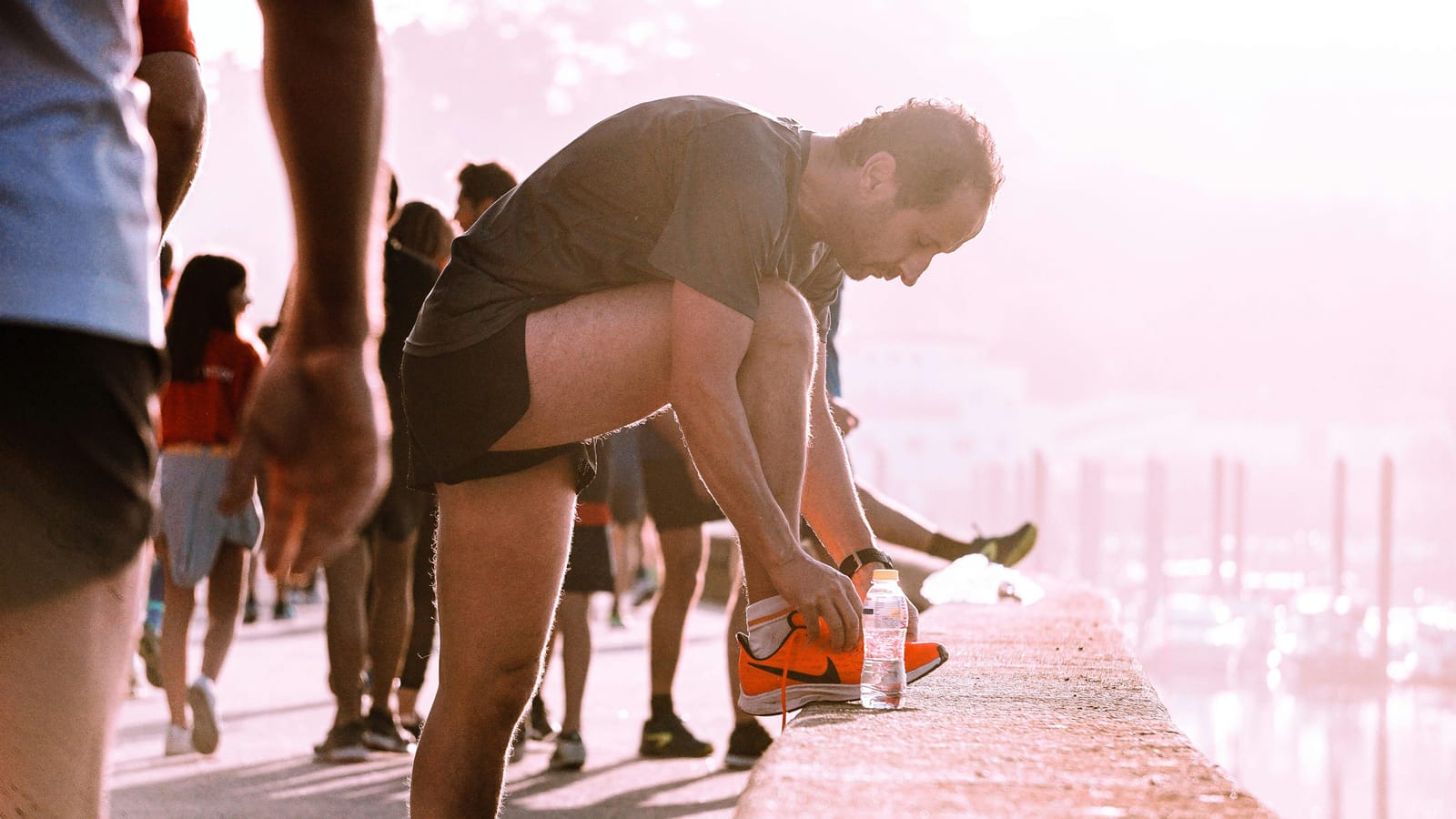
# Endurance training (running, cycling, swimming, rowing)
Alcohol’s hydration and sleep effects hit endurance work hardest. Performance drops are measurable the morning after even moderate drinking; longer events are affected more than shorter ones.
A 5km run feels harder by 5-10 seconds per kilometer after a hangover. A marathon attempt the day after a heavy night is genuinely compromised, sometimes substantially.
For endurance training over weeks, the cumulative cost is recovery. Distance runners and cyclists training 5-7 days a week with frequent drinking find their training tolerance drops over time.
# High-intensity / interval training
Sits in the middle. Acute performance is reduced but recoverable; cumulative effect is real but slower than endurance, faster than strength.
# Skill sports (climbing, gymnastics, martial arts)
Often the most affected, despite typically not being the focus of “alcohol affects sport” content. Skill sports require fine motor control and proprioception; both are degraded for 24-48 hours after even moderate drinking. Climbers know intuitively that they climb worse hungover; the effect is larger and lasts longer than they often realize.
# Body composition effects
Beyond training adaptation, alcohol affects body composition through three mechanisms:
Calorie load. Alcohol contains 7 calories per gram, between protein/carbs (4 cal/g) and fat (9 cal/g). A pint of standard lager is around 180-200 calories; a glass of wine is 140-180 calories; a typical cocktail is 200-300 calories. These calories are easy to consume in volume because alcohol doesn’t trigger the satiety responses that food does.
Substrate priority shift. Your body prioritizes metabolizing alcohol over fat, because it can’t store it. While alcohol is in your system, fat oxidation is suppressed. People who drink moderately while trying to lose body fat often plateau at higher levels than they expect, even when their daily calorie totals look correct on paper.
Late-night eating. Alcohol disinhibits appetite and food choice. The post-drinking food (pizza, kebabs, takeaways) often adds 600-1200 calories on top of the alcohol calories. The combination can wipe out a weekly calorie deficit in a single Friday night.
For people specifically trying to lose body fat while training, drinking less is usually the highest-leverage change available. We cover the calorie math in our Alcohol Calories hub.
# Hormonal and metabolic effects
Two specific concerns active people often worry about:
# Testosterone
Heavy drinking (8+ drinks in a session, or chronic moderate drinking 4+ nights a week) reduces testosterone meaningfully in men. The effect is dose-dependent and reverses with reduced drinking.
For light drinkers, the effect is small enough to be lost in normal variation. For heavy drinkers, the effect is real and worth the trade-off consideration.
# Cortisol
Alcohol elevates cortisol acutely, especially heavy alcohol intake. This is part of why drinking interferes with recovery; cortisol opposes the anabolic signaling needed for muscle growth and adaptation.
The cumulative cortisol pattern from regular heavy drinking is one of the mechanisms behind slow plateau in trained athletes who drink consistently.
# Growth hormone and IGF-1
Heavy drinking reduces growth hormone secretion during sleep, particularly during deep sleep. This compounds the sleep-quality effects on overnight recovery.
Light occasional drinking affects this minimally. Heavy or frequent drinking affects it substantially.
# Practical decisions that matter most
If you train and want to keep drinking, the highest-leverage choices:
# Don’t drink immediately post-workout
The 4-8 hour window after training is the worst time for alcohol. If you train in the evening and drink afterwards, you’re hitting peak protein synthesis suppression. If you can either train earlier in the day or wait at least 4 hours after training before drinking, you preserve most of the adaptation signal.
# Pace and limit volume
Most fitness costs scale with volume. Stopping at 3-4 drinks rather than going to 6-8 produces dramatically less recovery impact. The first few drinks are the cheap ones; the 6th-8th are where the cost compounds quickly.
# Don’t drink on consecutive nights
Recovery happens overnight. Two consecutive drinking nights produces compounding sleep debt and recovery deficit. One drinking night per week, even if heavy, is much less impactful than three light drinking nights spread across the week.
# Hydrate aggressively
Pre-hydrating before drinking, alternating water with alcohol, and rehydrating with electrolytes before bed all measurably reduce next-day training impact. We cover the options in Electrolytes and Hangovers.
# Choose lower-congener drinks
Vodka, gin, white wine, and light beer produce milder hangovers than whisky, dark beer, and red wine at matched alcohol content. Less hangover means better next-day training. We cover the chemistry in Hangover-Free Drinks: Low-Congener Alcohol Choices.
# Schedule drinking around training, not the other way around
If you have a hard training session or competition planned, don’t drink heavily the previous 1-2 nights. Most athletes who drink occasionally figure out their own version of this; the people who struggle are those drinking heavily on Saturday and trying to perform on Sunday morning.
# When to take it more seriously
A few situations warrant reconsidering whether drinking and your fitness goals are compatible:
Stalled progress despite consistent training. If you’ve been training hard for months and aren’t progressing, alcohol is one of the first variables to investigate. Trying 4 weeks fully sober is a useful diagnostic.
Compromised recovery markers. Elevated resting heart rate, deteriorating HRV, slow workout recovery, persistent fatigue. These can be alcohol-driven or caused by other factors; cutting alcohol for 2-3 weeks is the cleanest way to test which.
Training for a goal event. If you’re 8-12 weeks out from a marathon, competition, or specific test, the cost-benefit of drinking shifts. Most serious athletes substantially reduce or eliminate drinking in the final weeks of preparation.
Body composition plateau. If you’ve been in a calorie deficit for weeks and not losing fat, alcohol is often the unaccounted-for variable. Even moderate drinking adds significant calories and disrupts fat oxidation.
# How AlcoLog supports active drinkers
AlcoLog logs every drink with calorie content from the catalog (1,174 drinks across 92 size presets). The session summary shows total alcohol calories alongside drinks, units, and cost, so you can see what a session adds to your weekly intake.
The History view shows weekly and monthly totals, including calories from alcohol. For people balancing training with drinking, having the alcohol-calorie line item visible helps with the broader nutrition picture. AlcoLog can write each drink to Apple Health (one-way; AlcoLog doesn’t read from Health), so the calorie data flows through to whatever fitness app you use as your main dashboard.
The AlcoScore Recovery pillar factors in your rest days between sessions. For athletes whose drinking pattern affects training, watching the Recovery pillar trend over weeks is one of the more honest signals about whether drinking spacing is matching training demands.