Some drinks produce worse hangovers than others at the same alcohol content. This isn’t superstition. The chemistry is well-understood, the studies have been done, and the practical guidance is clear: at a given alcohol volume, clear and lightly-colored drinks reliably produce milder hangovers than dark, heavily-aged, or fortified ones. This article is part of our Hangovers hub, the complete guide to preventing and recovering from a hangover.
This article explains what congeners are, why they make hangovers worse, and which drinks are genuinely the lower-hangover options. The honest caveat first: there’s no such thing as a hangover-free drink at any meaningful volume. There are drinks that produce milder hangovers than others.
# What congeners are
Congeners are organic compounds produced as byproducts of fermentation, distillation, and aging. They include:
- Methanol: a small amount in fermented drinks, more in fruit-based spirits
- Acetone, acetaldehyde, fusel oils: byproducts of yeast metabolism
- Tannins: from oak aging or from grape skins in red wine
- Histamines: more in red wine and dark beer
- Sulfites: added as preservatives, particularly in wine
These compounds give drinks their flavor, color, and complexity. A vodka has been heavily filtered to remove most congeners, which is why it tastes neutral. A bourbon has been aged in charred oak for years, which produces a complex flavor and a high congener load. The same characteristics that make a drink interesting also make it harder on your body.

# Why congeners cause worse hangovers
Three mechanisms:
Direct toxicity. Methanol is metabolized by the same liver enzymes as ethanol, but its byproducts (formaldehyde, formic acid) are substantially more toxic than acetaldehyde. The body processes methanol slower, and its byproducts cause more damage per molecule.
Competition for liver enzymes. Congeners and ethanol compete for the same processing enzymes. Your liver gets backed up. Acetaldehyde from regular ethanol metabolism accumulates while the liver is busy with congener metabolites. The hangover from acetaldehyde gets worse and lasts longer.
Vasoactive and inflammatory effects. Some congeners (notably tannins and histamines) trigger inflammatory responses, blood vessel dilation, and headaches independent of the alcohol effect. This is why some people get a “wine headache” even from small amounts of red wine.
The result: at the same volume of pure alcohol, a high-congener drink can produce a hangover one or two intensity levels worse than a low-congener equivalent. Studies (notably one published in Alcoholism: Clinical and Experimental Research in 2010, Rohsenow and colleagues) have measured this directly: bourbon produced significantly worse hangovers than vodka at matched alcohol doses.
# The congener ranking
Approximate order from low to high congener content:
Very low
- Pure vodka (heavily distilled and filtered)
- White rum (most popular brands)
- Gin (lightly flavored but minimally aged)
- Light beer (low alcohol, minimal aging)
Low
- White wine (some grape compounds, no oak aging)
- Lager and pilsner
- Tequila blanco (the unaged version)
- Hard seltzers (essentially flavored vodka water)
Moderate
- Pale ale and IPA
- Sake
- Soju
- Rosé
High
- Red wine (tannins, histamines, sulfites)
- Dark beer and stout
- Aged tequila (reposado, añejo)
- Dark rum
- Bourbon and other American whiskies
Very high
- Brandy and cognac
- Single malt scotch (especially older)
- Port and other fortified wines
- Cheap dark spirits (“rotgut” type drinks)
A useful heuristic: clearer is generally lower-congener, darker is generally higher-congener. Older is higher than younger. More expensive aged spirits aren’t necessarily worse than cheap ones; the aging itself adds congeners regardless of quality.
# Practical implications
If you’re choosing what to drink with hangover severity in mind:
# For a heavy session: clear spirits or light beer
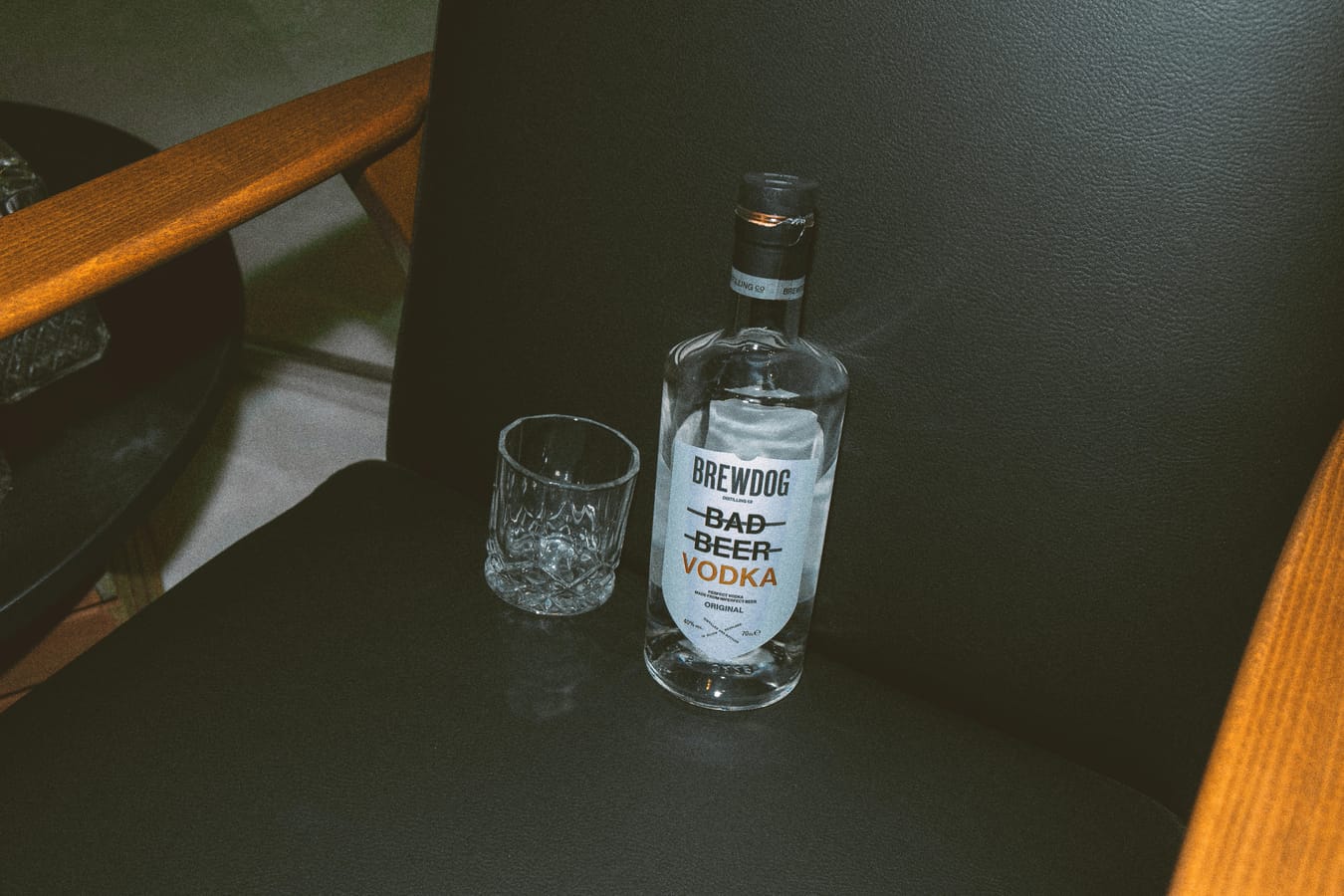
Vodka with mixers, gin and tonic, white rum cocktails, light lagers. These produce the mildest hangover at a given alcohol volume. Boring but reliable.
# For wine drinkers: white over red
If you drink wine and want milder hangovers, white wine produces less than red. Riesling, sauvignon blanc, and pinot grigio reliably produce milder hangovers than cabernet, malbec, or syrah. Champagne and prosecco are surprisingly hangover-friendly given the bubbles speed up absorption (so you should drink them slower to compensate).
# For beer drinkers: lighter and lower-alcohol
A 4% lager produces a much milder hangover than a 7% IPA at the same volume. Both the alcohol content and the aging/hops contribute. If you want to drink a lot of beer with mild morning consequences, light lagers are your friend.
# For whisky drinkers: bad news
Whisky is among the worst options for hangovers regardless of brand or quality. The aging produces high congener loads. A premium single malt is not noticeably easier on you than a budget bourbon.
If you love whisky, the practical answer is to drink less of it rather than try to find a low-congener version. There isn’t one.

# What about the “expensive booze gives less hangover” myth?
A widespread belief: cheap alcohol produces worse hangovers, expensive alcohol produces lighter ones. Mostly false.
What’s actually going on:
- For clear spirits: the cheap and expensive versions have similar low-congener profiles. Most decent vodkas and gins are similar enough that you won’t notice. The cheapest bargain-bin spirits sometimes have worse filtration and slightly higher congeners, but the difference is small.
- For dark spirits: more expensive bourbons and whiskies are MORE aged, which means MORE congeners. Premium spirits often produce equally bad or worse hangovers than mid-range ones.
- For wine: cheap wine often has more sulfites and additives, which can drive headaches in sensitive people. But premium reds have more tannins, which drives different headaches. There’s no consistent “premium = milder” pattern.
The placebo effect is real. People expect cheap booze to feel rougher and they often do. But the actual chemistry doesn’t support the expense-equals-mildness belief.
# What about pacing and choice together?
The biggest hangover variable is volume of alcohol consumed. Drink choice is a secondary factor, not a primary one. Six gins still produce a hangover. Six bourbons produce a worse hangover.
The ranking of factors by impact:
- Total alcohol volume (biggest factor by far)
- Pace of consumption (faster is worse)
- Hydration and food (we cover food in Best Foods to Eat When Drinking)
- Drink choice (low-vs-high congener)
- Sleep timing (stopping earlier is better)
Switching from bourbon to gin while maintaining the same volume shifts you maybe one level on a 10-point hangover scale. Drinking 30% less alcohol regardless of choice shifts you 2-3 levels. Combine both for the best result.
# The “gin is good for you because of the botanicals” claim
A piece of marketing folklore that has crept into popular belief: gin’s juniper and other botanicals make it healthier or hangover-friendly. The botanicals are essentially a flavor element. They don’t have meaningful effects on hangover severity at drinking doses; you’d need to eat them in large amounts to get any pharmacological effect.
Gin is a low-congener spirit because of how it’s distilled, not because of the botanicals. If marketing leans heavily on the botanical health angle, it’s probably overselling.
# Sulfites in wine: real for some people
A subset of people are genuinely sulfite-sensitive. Sulfites are added to wine as preservatives, more in white wine than red typically, and at higher levels in cheaper bulk wines. The “sulfites give me headaches” claim is real for these people but accounts for only some wine-headache cases. Most wine-headache patterns are tannin-driven (red wine) or histamine-driven (red wine and aged whites) rather than sulfite-driven.
If you suspect sulfite sensitivity, organic and natural wines have less added sulfite. If your wine headaches are similar from natural and conventional reds, the issue is probably tannins or histamines, not sulfites.
# How AlcoLog tracks drink choice patterns
AlcoLog’s catalog includes 1,174 drinks across 92 size presets, with brand-level detail (596 beers, 441 spirits, 93 liqueurs, 44 wine varietals, plus 44 cocktail recipes). The History view’s session list shows which drinks you logged in each session, so over time you can see whether your high-congener sessions (red wine, whisky-heavy nights) line up with the worst hangover patterns you remember.
The History view captures patterns at scale, and the AlcoScore’s pillars factor in your trajectory over rolling windows. The data isn’t congener-specific (the app doesn’t have a “hangover quality” field), but the patterns reveal themselves.