
The advice to drink water between alcoholic drinks is everywhere. Everyone has heard it. Most people believe it works. The honest answer is that it works, but not for the reason most people think, and not as much as the advice implies. This article is part of our Hangovers hub, the complete guide to preventing and recovering from a hangover.
This article unpacks what drinking water alongside alcohol actually does, why the popular framing is misleading, and the right way to use the rule if you’re going to follow it.
# The popular claim
The standard version of the advice goes something like:
Drink a glass of water for every drink. You’ll wake up feeling fine because the water cancels out the dehydration caused by alcohol.
This sounds reasonable. Alcohol dehydrates you, water rehydrates you, therefore drinking water in between should solve the problem. Unfortunately, the picture is more complicated.
# What’s actually happening
Alcohol causes dehydration through suppression of vasopressin, the hormone that tells your kidneys to retain water. With less vasopressin, your kidneys flush out water faster than you’re consuming it. We covered the full mechanism in The Science of a Hangover.
The math:
- A typical alcoholic drink contains 200-300ml of liquid
- That same drink causes you to urinate roughly 320-500ml of water in the following hours
- Net deficit: 100-200ml per drink
If you drink water alongside, you offset this deficit at the moment. But the alcohol you drank is still suppressing vasopressin, so your kidneys are still over-flushing for the next several hours, including the water you just added. You don’t get to keep all the extra water you drank.
Roughly: drinking 200ml of water alongside a drink offsets the deficit somewhat, but not entirely. You still wake up dehydrated, just less dehydrated than if you’d drunk no water at all.
# Where the rule actually helps
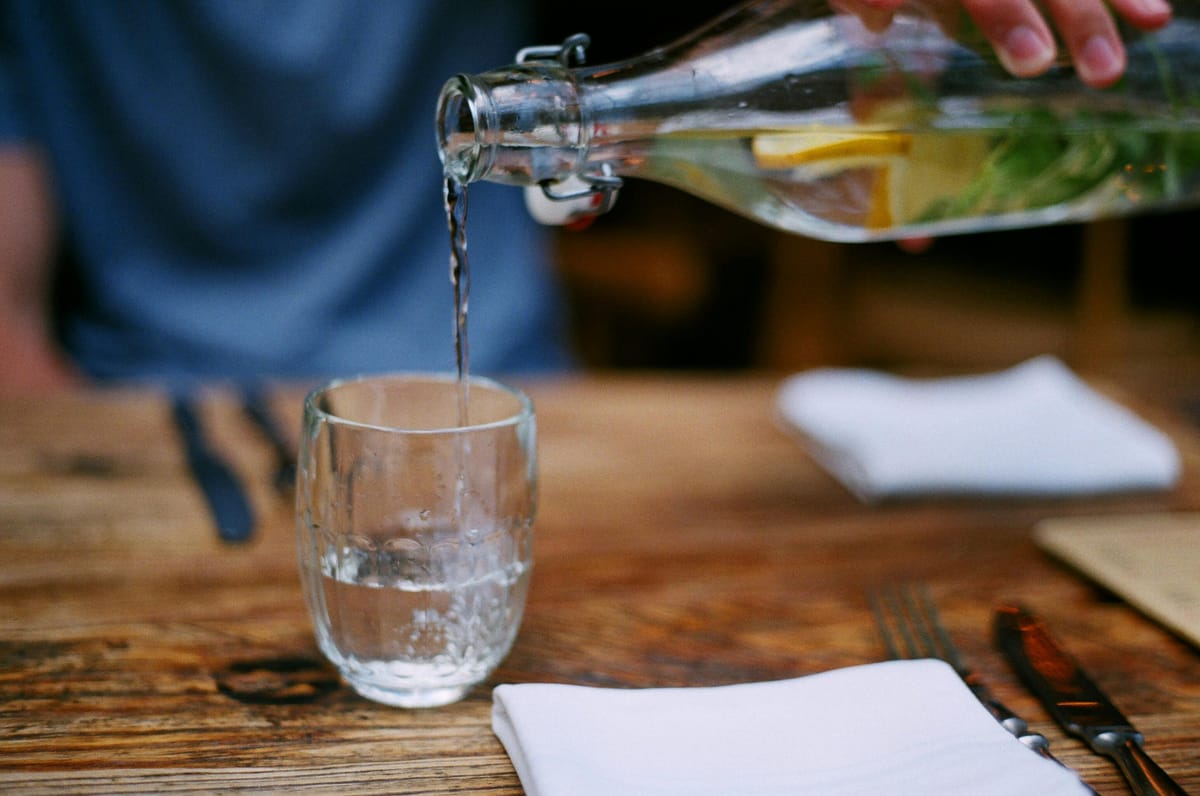
Despite the qualifications, drinking water between drinks does help, just for reasons broader than rehydration:
# It slows your overall pace
This is the bigger benefit. If you’re alternating water with alcohol, you’re spending time on the water glass that you’d otherwise spend on more alcohol. Your average drinks-per-hour rate drops. Lower pace means lower peak blood alcohol, which means less acetaldehyde accumulation, less GABA-glutamate disruption, less of every hangover mechanism. The water is doing real work, but mostly by being a delay tactic.
The research here is thinner than the advice suggests. Surveys of heavy-drinking Dutch students by Joris Verster and colleagues found that drinking water alongside alcohol went with only slightly milder hangovers, and their 2024 review in the journal Alcohol concluded that water eases thirst and dry mouth but does not reliably reduce overall hangover severity. Whatever benefit there is comes mostly from the slower pace, not from the rehydration itself.
# It reduces the dehydration somewhat
Even with the vasopressin still suppressing reabsorption, drinking water at all is better than drinking none. The deficit is smaller. Headache is mildly less severe. Dry mouth is less severe.
# It’s a clear stop signal during the session
Reaching for a water glass forces a small pause and conscious decision. People who drink water between drinks tend to notice their drinking volume earlier in a session than people who don’t. This effect is small but real.
# It helps you stop sooner
If you’re filling some of your drinking time with water, you may simply finish the night with fewer drinks total. This is the cleanest mechanism: less alcohol = less hangover.
# Where the rule is overrated
A few honest caveats:
# It does not “cancel out” the dehydration
The popular framing implies a simple subtraction. The reality is that vasopressin suppression continues for hours after the alcohol has stopped arriving. Drinking 8 glasses of water during a heavy night does not produce a hangover-free morning. You will still wake up partly dehydrated.
# It does not prevent acetaldehyde-driven hangover
Water doesn’t speed up acetaldehyde clearance. If you drink the same amount of alcohol with or without water, your liver still has to process the acetaldehyde, and the morning’s nausea and headache will be similar. The only way water reduces this part is if it slows your pace and you end up drinking less total.
# It does not prevent glutamate rebound
The mental side of a hangover (anxiety, dread, racing thoughts; we cover this in Hangxiety Explained) comes from your nervous system rebounding once alcohol leaves. Water does nothing for this. Drinking water doesn’t reduce hangxiety.
# “Chug a pint of water before bed” is a weak version of the rule
The single-large-water-before-bed advice has weaker effect than continuous-water-throughout. Drinking 500ml right before sleep gives your kidneys 500ml to flush in the next few hours; you wake up needing the bathroom and still dehydrated. Continuous moderate water during the session works better.
# Some people drink alcohol AND match it with extra alcohol-like volumes
A common failure mode: someone follows the rule by alternating water with alcohol, then ends up drinking double the volume of liquid they normally would. The alcohol intake stays the same; they just have more in their stomach. The hangover prevention benefit doesn’t really compound from there.
# How to actually use the rule
If you’re going to follow the water-between-drinks rule, the version that works best:
# Pace it through the session, not at the end
A glass of water for every alcoholic drink, drunk during the same window. Not five waters at midnight after seven beers. The pacing benefit only applies if the water-time is during the session.
# Stop alcohol earlier, drink water through the gap before bed
If you stop drinking 2 hours before bed and use those 2 hours to drink water and have a snack, you wake up substantially better than if you drank both alcohol and water right up to bedtime. The alcohol-cessation gap matters more than the total water volume.
# Don’t expect it to enable heavier drinking
The rule reduces hangovers at a given drinking level. It does not make heavier drinking consequence-free. Six pints with water alternating produces a smaller hangover than six pints alone, but it’s still a real hangover. The trade was always going to come due.
# Combine with other reasonable interventions
Water alongside, food in your stomach, lower-congener drink choices, and stopping early all stack. None alone is a hangover prevention; in combination they meaningfully improve the next morning.
# What about electrolyte drinks instead of water?
Electrolyte drinks (Pedialyte, Liquid IV, oral rehydration salts) are slightly more effective than plain water, especially for replacing the sodium and potassium your kidneys are flushing alongside the water. The evidence base for using them during drinking is thinner than the morning-after evidence, but the logic carries over.
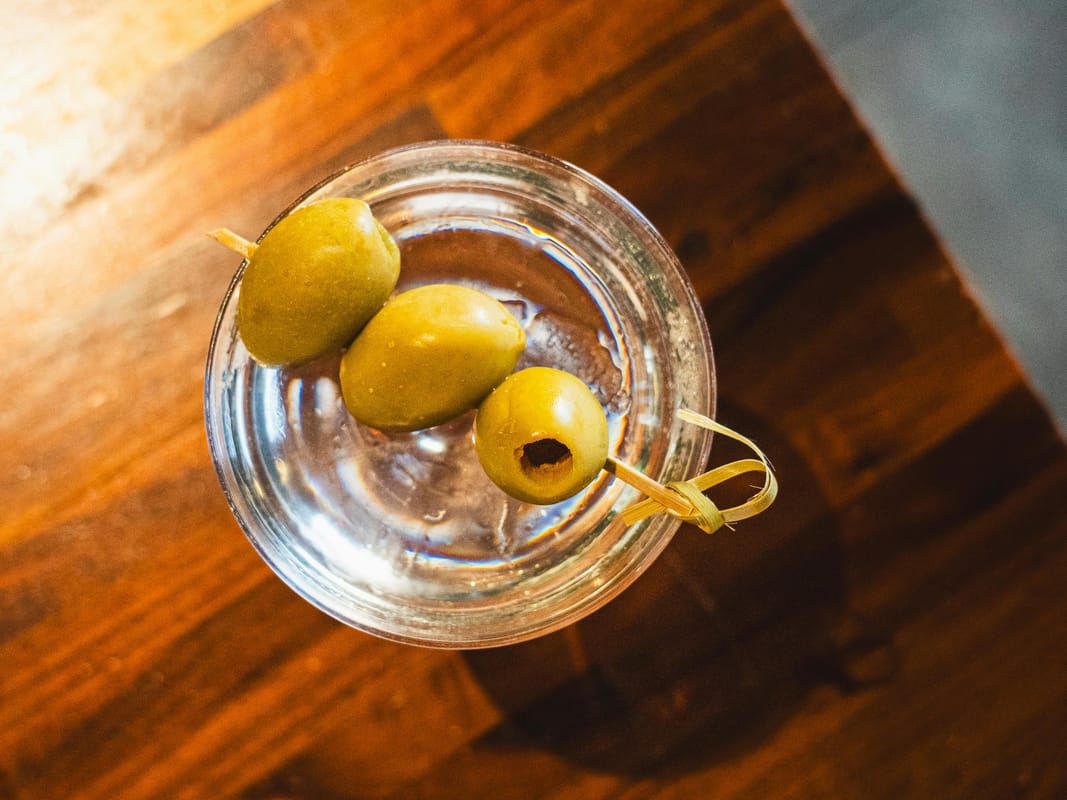
Practical note: electrolyte drinks alongside alcohol can be useful, but a salty snack (peanuts, crisps, olives) plus plain water does much the same thing for less money. We cover the options in Electrolytes and Hangovers.
# How AlcoLog supports the pacing benefit
The water-between-drinks rule’s biggest benefit is slowing your overall pace. AlcoLog logs every drink with a timestamp, so the running stat line shows your drinks-per-hour live during a session.
The Hydration reminder is set in the Alerts tab, with options for time-based intervals, drink-count-based reminders, or both. If you set it to fire every drink (or every 30 minutes), you get a nudge to log a water alongside, which both pulls you off the alcohol pace and lets you track how much water you’re actually drinking.
Water shows up on the session timeline alongside alcoholic drinks, so at the end of a session you can see the actual ratio you maintained. Over time, the History view shows whether your sessions where you alternated water reliably produced milder hangover outcomes.