
Hangovers are not mysterious. The science is fairly settled on what causes them, what makes them worse, and what genuinely helps. Most of the popular advice is either wrong or works for the wrong reason. This guide covers what’s actually true, organized so you can act on it.
This is the pillar of our Hangovers hub. The depth on each topic lives in the linked sub-articles. Use this as the overview; click through when you want detail.
# What a hangover actually is
A hangover is a constellation of symptoms produced by the body processing alcohol and the metabolic disruption that follows. The main contributors:
Dehydration. Alcohol suppresses vasopressin, the hormone that controls how much water your kidneys hold onto. You urinate more than you drink. The next morning you’re meaningfully short on fluids and electrolytes.
Acetaldehyde toxicity. Your liver breaks alcohol down into acetaldehyde, which is more toxic than alcohol itself. It causes flushing, nausea, and the throbbing-headache feeling. Your body then breaks acetaldehyde down further into harmless acetate, but the speed of that second step varies a lot between people.
Glutamate rebound. Alcohol depresses your nervous system. When it wears off, your nervous system rebounds the other way, becoming hyperactive. This is what produces the anxiety, racing thoughts, and edginess of a hangover, especially the next morning.
Sleep disruption. Alcohol fragments your sleep, particularly REM sleep. You may have slept through the night but you didn’t actually rest properly. We cover this in Hangovers and Sleep: Why You Wake Up at 4am.
Inflammation. Alcohol triggers low-grade systemic inflammation, which contributes to the general unwellness, the muscle aches, and the brain fog.
Congeners. Darker drinks (whisky, red wine, brandy, dark rum) contain more congeners, which are byproducts of fermentation and aging. Higher congener content correlates with worse hangovers. We cover this in Why Wine Gives Worse Hangovers Than Vodka.
We cover the full physiology in The Science of a Hangover.

# The morning after: hangxiety
The mental side of a hangover deserves its own framing. Hangxiety is the anxiety, dread, and shame that hits the morning after a heavy session. It’s partly the glutamate rebound mentioned above, partly the social fallout of “what did I say last night,” and partly low blood sugar interacting with a sensitive nervous system. It’s real, it’s physiological, and it usually peaks around 12-18 hours after your last drink before fading.
We cover what to do about it specifically in Hangxiety Explained: Why You Wake Up Anxious After Drinking.
# Prevention: what actually helps
The honest answer is “drink less alcohol.” Anything else is optimization around that. With that caveat, here’s what genuinely helps reduce hangover severity at a given drinking volume:
# Pace yourself
Drink slower. Your liver processes about one standard drink per hour. If you drink faster than that, alcohol accumulates in your bloodstream and your hangover scales accordingly. Spacing drinks out also gives your body time to deal with what’s already in.
This is the single most underrated piece of hangover prevention. A pint every 60 minutes produces a meaningfully smaller hangover than three pints in 90 minutes, even at the same total volume.
# Drink water alongside, not just at the end
Alternating an alcoholic drink with a water (or having one between every two drinks) does two things: it slows your overall pace, and it offsets the dehydration. The conventional wisdom that you should “chug a pint of water before bed” is less effective than drinking water continuously throughout the night. We cover this in The “Drink Water Between Drinks” Rule: Does It Actually Work?.
# Eat before and during
Drinking on an empty stomach delivers alcohol to your bloodstream faster. Food slows the absorption rate. Foods with protein and fat slow it more than carbs alone. A meal an hour before drinking, plus a snack mid-session if you’re going long, makes a real difference. We cover this in Best Foods to Eat Before, During, and After Drinking.
# Choose lower-congener drinks
If you’re going to drink a lot, vodka, gin, white rum, white wine, and clear lagers will produce a smaller hangover than whisky, red wine, brandy, or dark rum at the same alcohol volume. We cover the chemistry in Hangover-Free Drinks: Low-Congener Alcohol Choices.
# Don’t drink too late
Alcohol disrupts sleep, and the effect is dose-dependent and time-dependent. Stopping drinking 2-3 hours before bed dramatically reduces sleep fragmentation. The “nightcap” advice is genuinely bad for sleep quality.
# Recovery: what actually helps the morning after
Once the hangover has arrived, the goal is symptom relief while your body finishes processing the alcohol. Most hangovers resolve within 12-24 hours regardless of what you do; the question is how unpleasant the next 12 hours are.
# Rehydrate properly
Plain water helps. Water with electrolytes helps more, especially if you’re nauseated. Coconut water, oral rehydration salts, or a sports drink (without too much sugar) all work. Pedialyte and Liquid IV are sold specifically for this and they do help, though plain water plus a salty snack is fundamentally the same thing for less money. We cover the options in Electrolytes and Hangovers.
# Eat something, even if you don’t want to
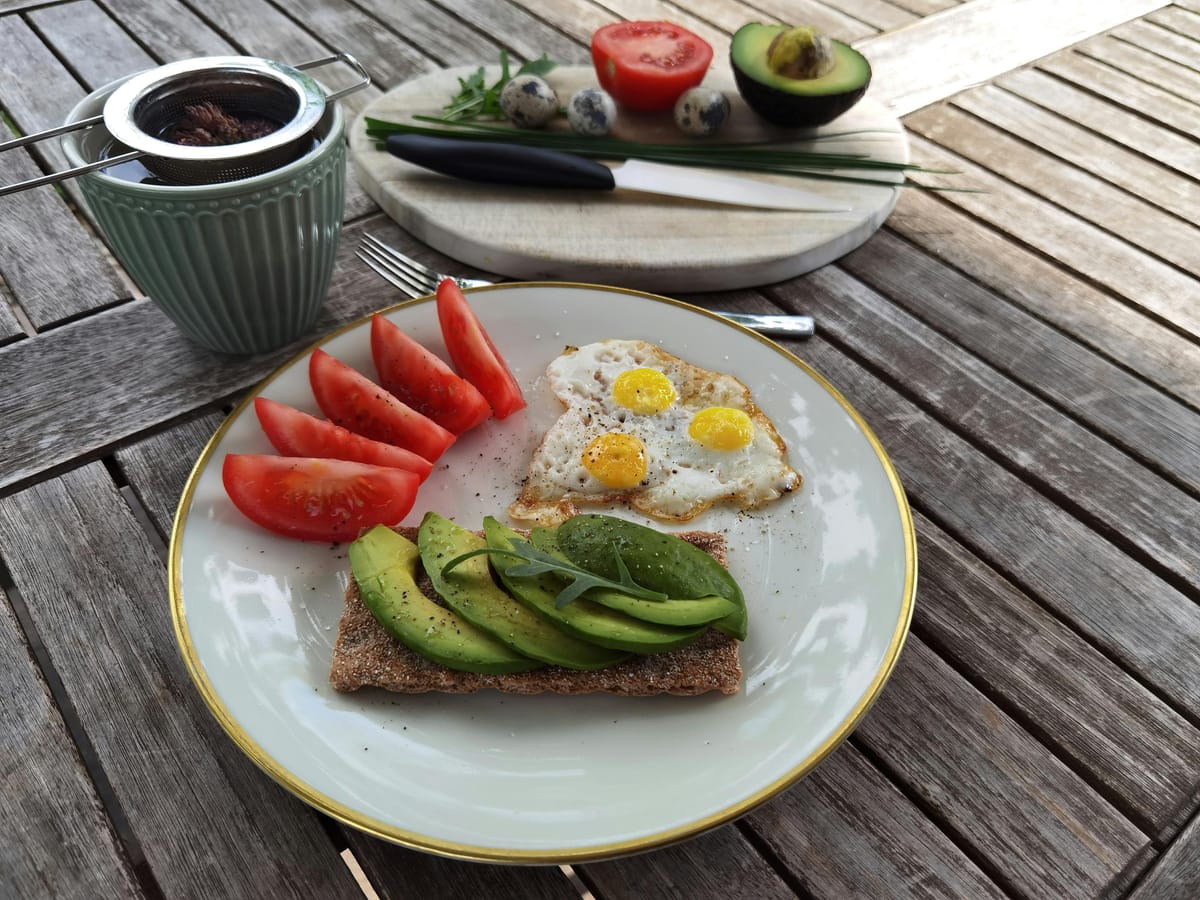
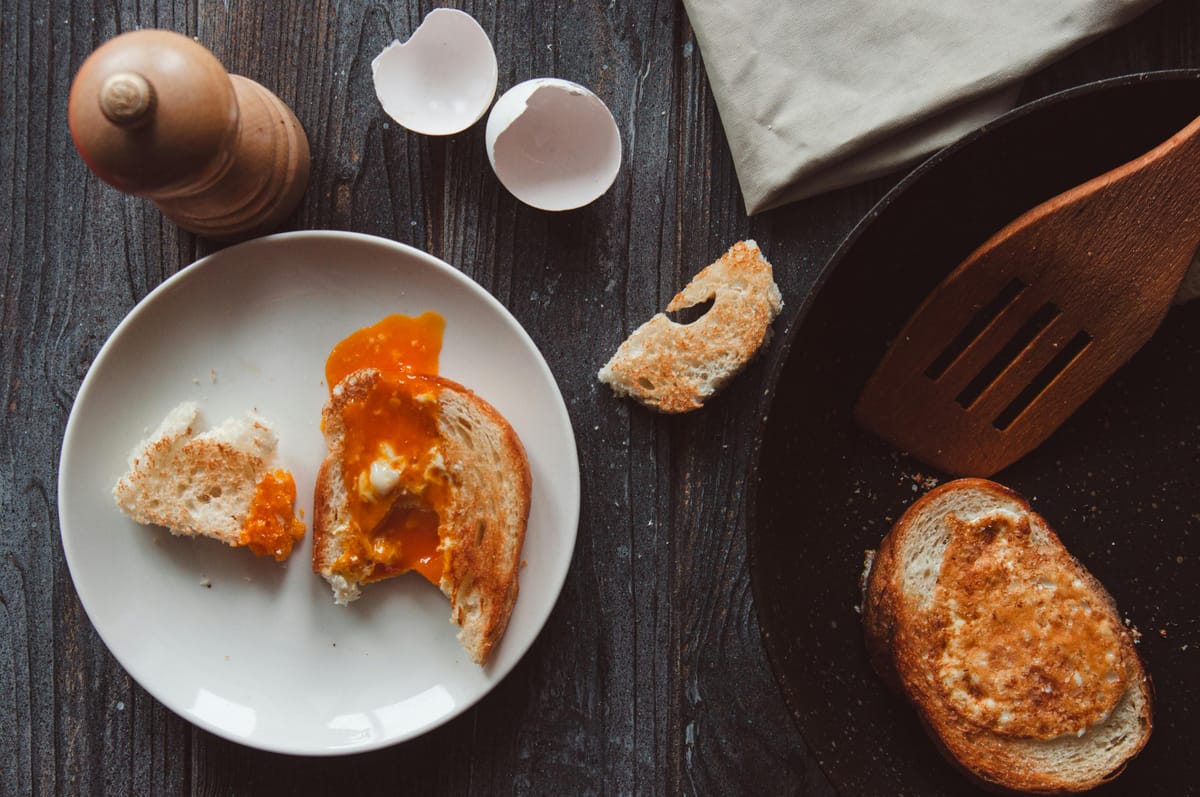
Hangover nausea makes food unappealing. Push through with something simple. Toast, a banana, eggs, plain crackers. Carbs help raise low blood sugar. Avoid anything heavy or greasy until you feel better. The “fry-up cures a hangover” idea is folklore, not medicine.
# Caffeine in moderation
Coffee helps with the headache and the brain fog. It doesn’t help with dehydration (it’s mildly diuretic, though less than people think). One or two cups, not five.
# Painkillers, but choose carefully
Ibuprofen or aspirin for headache and muscle aches is fine. Avoid paracetamol/acetaminophen the morning after heavy drinking. Both alcohol and paracetamol are processed by your liver, and the combination is unusually hard on it. This is one of the few hangover dos-and-don’ts where the stakes are real.
# Sleep more if you can
A nap helps. Real sleep, not just lying there scrolling, restores some of the rest you didn’t get last night. Don’t try to push through a hangover with willpower if you have the option of going back to bed.
# Time
The unsexy truth: most hangovers resolve in 12-24 hours regardless of intervention. Optimizing your morning helps with comfort but doesn’t speed up the underlying clearance.
# What doesn’t work (or works less than you think)
The hangover-cure industry is large and largely unsupported. We cover the specifics in Hangover Cures That Don’t Work (And Why People Swear By Them). The short version:
- Hair of the dog: can make you feel better briefly, probably by easing the rebound as alcohol wears off and by delaying the breakdown of methanol (a congener) into more toxic by-products. It does not “cure” anything; it pushes the hangover later.
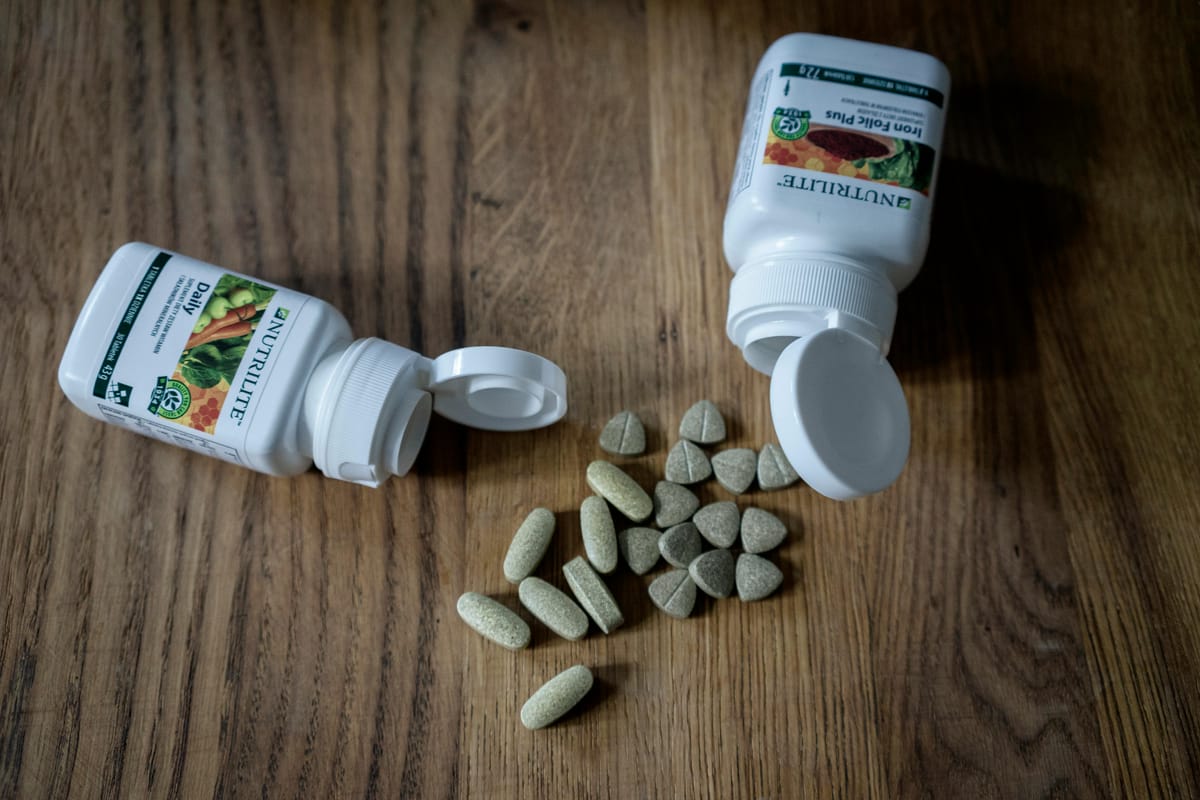
- Hangover-cure pills sold in bars (Berocca, alcohol-detox blends, NAC supplements): mostly ineffective, occasionally weakly helpful for specific symptoms, generally overhyped relative to the evidence.
- Greasy food cures: improvement is mostly placebo plus the stomach feeling settled. Not actually neutralizing anything.
- Coffee enemas, IV drip clinics, oxygen bars: expensive theater. Some IV drips genuinely rehydrate you, but you can do that with a glass of water and an electrolyte sachet for 1% of the cost.
The pre-drink hacks (Korean pear juice, prickly pear extract, NAC before drinking) have weaker evidence than their advocates claim. We cover them honestly in Korean Pear Juice, Prickly Pear, and Other Pre-Drink Hacks.
# The 2-day hangover and why hangovers get worse with age
Many people in their 30s and 40s notice that hangovers are markedly worse than they were in their 20s, sometimes lasting two days. This is real and physiological. Liver enzyme efficiency declines slowly with age. Sleep architecture becomes more vulnerable to disruption. Inflammation clears more slowly. We cover the specifics in The 2-Day Hangover: Why It’s Getting Worse As You Age.
# When to see a doctor
A normal hangover, however unpleasant, isn’t medically dangerous. See a doctor if:
- You experience seizures, severe confusion, or hallucinations after drinking (these can be signs of alcohol withdrawal in heavy drinkers, which is medically dangerous)
- Symptoms last more than 48 hours after your last drink
- You vomit blood, pass black or bloody stools, or have severe abdominal pain
- You experience chest pain, racing heart, or breathing difficulty
- The hangovers are getting more frequent and you’re concerned about your drinking patterns generally
If you’re noticing your hangovers progressively worsening alongside the same drinking pattern, that’s worth flagging to your GP. It can indicate liver function changes that benefit from earlier rather than later intervention.
# How AlcoLog helps with hangover prevention
AlcoLog tracks every drink in real time, with the running stat line showing units, calories, and cost as you go. The hydration reminder fires on a schedule (by time interval, by drink count, or both, set in the Alerts tab) so you remember to drink water alongside. Consumption alerts can be set on units (Free) or drinks, calories, and cost (Premium), with custom thresholds you control.
The Last Session card on Home keeps the full session, drink by drink, so you can review what led to last night’s hangover. Over time, the AlcoScore’s Recovery pillar factors in your rest days between sessions, surfacing whether you’re giving your body enough recovery time. The History view’s calendar heatmap makes weekly drinking patterns visible at a glance.