
The hangover-cure industry is large, growing, and largely unsupported by evidence. Most popular remedies do nothing for the underlying mechanisms of a hangover. Some help with one specific symptom while leaving the rest untouched. A few are genuinely counterproductive. And almost all of them have passionate believers, because hangover symptoms naturally improve with time, which makes anything you took recently look like it worked. This article is part of our Hangovers hub, the complete guide to preventing and recovering from a hangover.
This article works through the popular cures one by one. What works, what doesn’t, what does something but not what people think, and why personal experience can mislead you so reliably here.
# Why hangover-cure beliefs are so durable
Hangovers improve on their own. Most clear within 12-24 hours regardless of what you do. This means anything you took during that window appears to have helped. The mind catalogs the action and the recovery as cause and effect. By the next hangover, you reach for the same thing.
This pattern is why every culture has its own list of “cures” that locals swear by. The remedies are wildly different (Korean pear juice, Mexican tripe stew, Russian pickle brine, English fry-ups, Italian artichoke liqueur, German pickled herring), but they all “work” because hangovers are time-limited. The body would recover whether you ate the herring or not.
The legitimate test isn’t “did I feel better afterwards?” It’s “did I feel better than I would have without it?” That requires a controlled comparison most people never run.
What the actual research shows: the underlying mechanisms of a hangover (covered in The Science of a Hangover) are dehydration, acetaldehyde toxicity, glutamate rebound, sleep disruption, and inflammation. A real cure has to address one or more of these. Most popular cures don’t.

# Hair of the dog
The cure: drink more alcohol the morning after. The Bloody Mary at brunch, the lunchtime beer, the breakfast mimosa. Strongly traditional in some drinking cultures.
What it actually does: two explanations are usually proposed. Alcohol enhances GABA and suppresses glutamate, which temporarily reverses the glutamate rebound. And because your liver processes ethanol before methanol (a congener found in many drinks), fresh alcohol delays methanol’s breakdown into more toxic by-products. Either way, the hangxiety eases. The headache softens. You feel functional for a few hours.
What it doesn’t do: cure anything. It postpones the hangover. The dehydration is still there, the acetaldehyde is still being processed, the inflammation is still building. You’re adding a fresh round of alcohol to a system already trying to clear the previous round.
The trade-off: hair of the dog feels better short-term and produces a worse second-day experience. In some cases it kicks off a multi-day drinking pattern. For most people most of the time, this trade isn’t worth it.
For people who drink heavily and frequently enough that morning withdrawal symptoms (real shaking, severe anxiety, racing heart) appear, hair of the dog is masking a more serious physiological pattern. If you’re in that category, this isn’t the relevant article. Talk to your GP.
# The full English / fry-up
The cure: a heavy breakfast of bacon, sausages, eggs, beans, fried bread, and black pudding. Strongly tied to British and Irish hangover culture.
What it actually does: provides salt, fat, and carbs. The salt helps with electrolyte replacement. The carbs raise low blood sugar. The fat is the active ingredient most people credit, but actually contributes least.
What it doesn’t do: cure anything specifically. The improvement people credit to the fry-up is largely from eating real food after fasting overnight, not from anything specific to the meal composition.
The downside: a heavy fatty meal lands in a stomach that’s already irritated by alcohol. Some people find their nausea gets noticeably worse an hour or two after a heavy fry-up than it would have with something lighter.
The realistic view: a fry-up is fine if you’re keeping it down. A simpler meal with the same salt-carb-protein content is easier on the stomach and works just as well. We cover the alternatives in Best Foods to Eat Before, During, and After Drinking.
# Berocca and other vitamin-electrolyte sachets
The cure: a fizzy tablet or sachet with B vitamins, vitamin C, and some electrolytes. Marketed at bars and convenience stores specifically to hangover sufferers.
What it actually does: the electrolytes provide some real rehydration benefit. The vitamins are mostly inert in this context.
What it doesn’t do: deliver enough electrolytes to make a real difference. Most hangover sachets contain low doses of sodium and potassium relative to your overnight depletion. Compared to a proper oral rehydration salt formula or even a sports drink, the actual electrolyte payload is modest.
The vitamin pitch: the idea is that alcohol depletes B vitamins and replacing them helps recovery. Reality: B vitamin depletion from one heavy night is mild and clears on its own from a normal diet. You’re not actually short on B vitamins after a Saturday night out. The vitamin contribution to hangover recovery is essentially nil.
Where the benefit actually comes from: if Berocca makes you drink water, which is the actual goal, it’s doing useful work. The active ingredient is the water you drink it with. Plain water plus a salty snack costs a tenth as much and works marginally better.
# Coconut water as a “natural” cure
The cure: coconut water on its own, marketed as a natural rehydration drink.
What it actually does: provides potassium, some sodium, and water. Real rehydration benefit.
What it doesn’t do: provide enough sodium to be optimal. Coconut water is high in potassium but lower in sodium than dedicated rehydration formulas. For a mild hangover this is fine; for a heavy one, it’s not as effective as proper electrolyte replacement.
The “natural” framing: marketing positioning, not a chemistry claim. Your body doesn’t care whether the salt comes from a coconut or a sachet. The dose matters; the source doesn’t.
In practice: coconut water is a decent mild rehydration drink. Adding a generous pinch of salt makes it substantially better. We cover the comparison in Electrolytes and Hangovers.
# NAC supplements before drinking
The cure: N-acetylcysteine taken before or during drinking. Marketed online as a hangover prevention strategy.
What it actually does: NAC is a precursor to glutathione, an antioxidant your liver uses to process acetaldehyde. There’s a plausible biochemical case that NAC could reduce hangover severity by helping clear the toxic intermediate faster.
What the evidence shows: small studies, mixed results. Some show modest hangover reduction, some show none. The effect, where it exists, is small enough that it’s hard to distinguish from placebo at typical drinking volumes.
The verdict: probably not actively harmful (NAC is well-tolerated and used clinically for paracetamol overdose). Probably not dramatically helpful for hangover prevention. The placebo effect from doing something proactive is often larger than the actual pharmacological effect.
If you want to take NAC, fine. Don’t expect it to enable heavier drinking without consequences.
# Korean pear juice and prickly pear extract
The cure: drinking pear juice (or taking prickly pear cactus extract) before drinking. Both have small studies suggesting modest hangover reduction.
What the evidence shows: the prickly pear study (commonly cited from a 2004 Tulane paper) showed reductions in some hangover symptoms, specifically nausea, dry mouth, and loss of appetite, and a moderate reduction in overall severity. Other symptoms, including headache, did not improve significantly.
Korean pear juice studies are smaller and less conclusive. The proposed mechanism is enzyme support for alcohol metabolism.
What the research supports: the effects are real but small. The studies were small, single-site, and have not been broadly replicated. The marketing claims dramatically oversell what the data shows. We cover this in detail in Korean Pear Juice and Other Pre-Drink Hacks.
# IV drip clinics
The cure: paying £100-200 to have a saline drip with vitamins administered for a hangover. Available in major cities, particularly Las Vegas, Miami, and London.
What it actually does: rehydrates you faster than oral fluids. Real, measurable benefit.
What it doesn’t do: justify the price for most people. The end result several hours later is the same as drinking electrolyte solution at home. You’re paying £100+ for the speed of getting fluids into you 30-60 minutes faster.
It works as advertised. Costs roughly 100x the alternatives. Worth it only if you genuinely need to be functional in 90 minutes and have money to throw at the problem. For everyday use, theater.
# “Detox” teas and liver support pills
The cure: herbal teas, milk thistle supplements, dandelion extracts, “liver flush” pills. Marketed as supporting your liver’s processing of alcohol.
What they actually do: most of them are mild diuretics. Some contain caffeine. None of them meaningfully accelerate liver enzyme function or alcohol metabolism in any way that matters at hangover-relevant doses.
The “liver detox” framing: there’s no such thing as a herbal liver detox. Your liver detoxes itself. The compounds in these teas are processed BY the liver, not assistive to it. Marketing gloss, not biochemistry.
Harmless if you enjoy the tea. Useless as a hangover intervention. Save your money.

# Coffee as a hangover cure
The cure: a strong coffee the morning after.
What it actually does: provides caffeine, which addresses the brain fog and headache components. Caffeine is mildly vasoconstricting, which counters the blood-vessel dilation that contributes to hangover headache.
What it doesn’t do: rehydrate you (caffeine is mildly diuretic), reduce acetaldehyde, calm glutamate rebound, or address inflammation. Pure coffee on a hangover often makes anxiety worse for people already prone to hangxiety.
Where it helps: in moderation, for the headache and brain fog. One or two cups, not five. Pair with water and food for best effect. Coffee on its own as a “cure” is partial credit at best.
# Aspirin and ibuprofen
The cure: NSAIDs for the headache and muscle aches.
What they actually do: reduce inflammation, ease headache. Real, measurable benefit. Aspirin in particular has some additional effect on the inflammatory side of hangover.
What they don’t do: cure the dehydration, the glutamate rebound, or the acetaldehyde toxicity. Pure symptom management.
The caveat: paracetamol (acetaminophen, Tylenol) is NOT a good choice. Both alcohol and paracetamol are processed by the liver. The combination is unusually hard on it, and chronic use of paracetamol with regular drinking has caused real liver injury. Stick to ibuprofen or aspirin for hangover headaches.
This one is different: ibuprofen is one of the few interventions that does something real and well-documented. Limited to the inflammatory and headache symptoms, but reliable for those.
# Heavy exercise to “sweat it out”
The cure: a hard workout, a sauna, or a long run the morning after.
What it actually does: distracts you, raises endorphins, and burns through some glycogen.
What it doesn’t do: speed up alcohol metabolism (you sweat negligible amounts of alcohol), detox anything, or shorten the hangover. The opposite, often: heavy exercise on a dehydrated, glutamate-rebounding system can cause genuine problems including syncope, palpitations, and rare cases of cardiac events in people with underlying conditions.
The realistic version: light movement helps. Walks, gentle yoga, easy stretching. Heavy exercise on a hangover is a bad idea, not a cure.
# What actually works (the short list)
The interventions with real evidence:
- Time: most reliable, requires patience
- Water and electrolytes: addresses dehydration directly
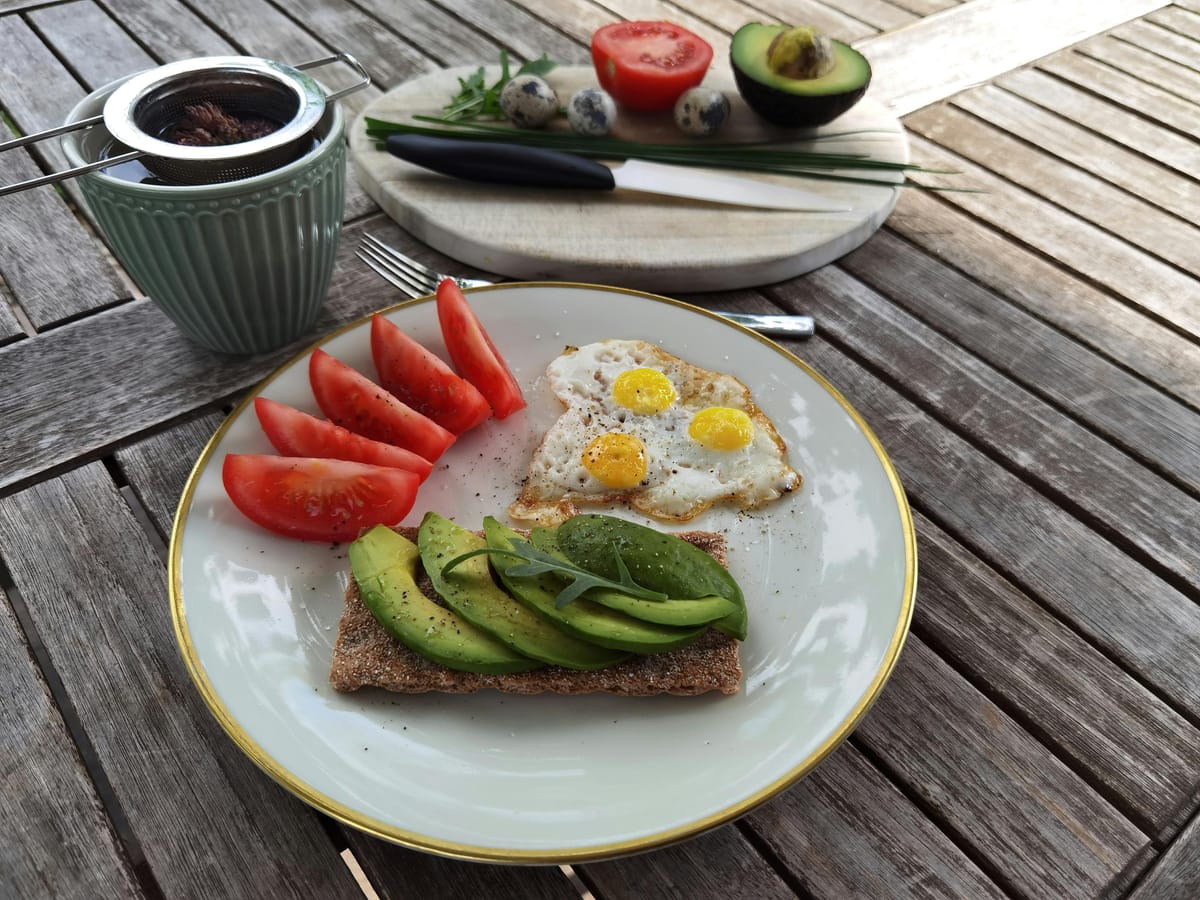
- Light food, especially carbs and a small amount of protein: addresses blood sugar
- Sleep and rest: addresses sleep deprivation component
- Ibuprofen or aspirin: addresses headache and inflammation
- Caffeine in moderation: addresses brain fog
- Light movement: modest help with mood and clearance
Notice what’s missing: any “cure” pill, any vitamin sachet, any specific food dish, any branded recovery drink that costs more than the basic ingredients. The cheap, boring interventions are the ones that work. The marketing-heavy products mostly don’t.
# How AlcoLog supports recovery realism
AlcoLog logs every drink with timestamp, calorie, ABV, and cost. The morning after, you can see the full session pattern: total drinks, total alcohol, time stopped, drinks per hour. This data informs the realistic next-time pattern more than any cure does.
The History view’s monthly cards show the trajectory of your sessions, and the AlcoScore Recovery pillar factors in your rest days between sessions. Over time, the data answers a question better than any cure ever can: which session patterns produce hangovers worth managing, and which don’t.