
A genre of advice that thrives on social media: take this thing before drinking, prevent your hangover. Korean pear juice, prickly pear extract, NAC supplements, milk thistle, activated charcoal, raw eggs, olive oil, dozens of branded “hangover prevention” products. The evidence behind them is a lot less impressive than the marketing. A few things have small real effects. Most do nothing. The placebo effect from doing something proactive is often larger than the actual pharmacological benefit. This article is part of our Hangovers hub, the complete guide to preventing and recovering from a hangover.
This article goes through the popular pre-drink hacks one at a time. What works, what doesn’t, and what’s been studied versus what’s been marketed.
# Why “pre-drinking hacks” are popular
Hangover prevention has the same appeal as quick weight loss: it promises to let you keep doing what you enjoy without paying the cost. The market for products that deliver on this promise is large, lucrative, and full of confident claims with weak evidence.
Two factors make pre-drink hacks especially seductive:
The placebo effect is genuine. Believing your hangover will be lighter often makes the next morning subjectively easier. You drink more water, eat better, and pay attention to symptoms differently when you’ve taken a “preventer.”
Hangovers are variable. The same six drinks can produce very different hangovers depending on sleep, food, stress, and dozens of other factors. If you take a supplement before drinking and the hangover happens to be mild, you credit the supplement. If you take it and the hangover is bad, you credit the volume. The supplement gets a one-way ticket to “works.”
The reliable test isn’t your own experience over a few sessions. It’s controlled trials with placebo arms, blinding, and matched alcohol doses. Few hangover-prevention products have this evidence. Some have weak evidence. None have strong evidence at the level the marketing suggests.
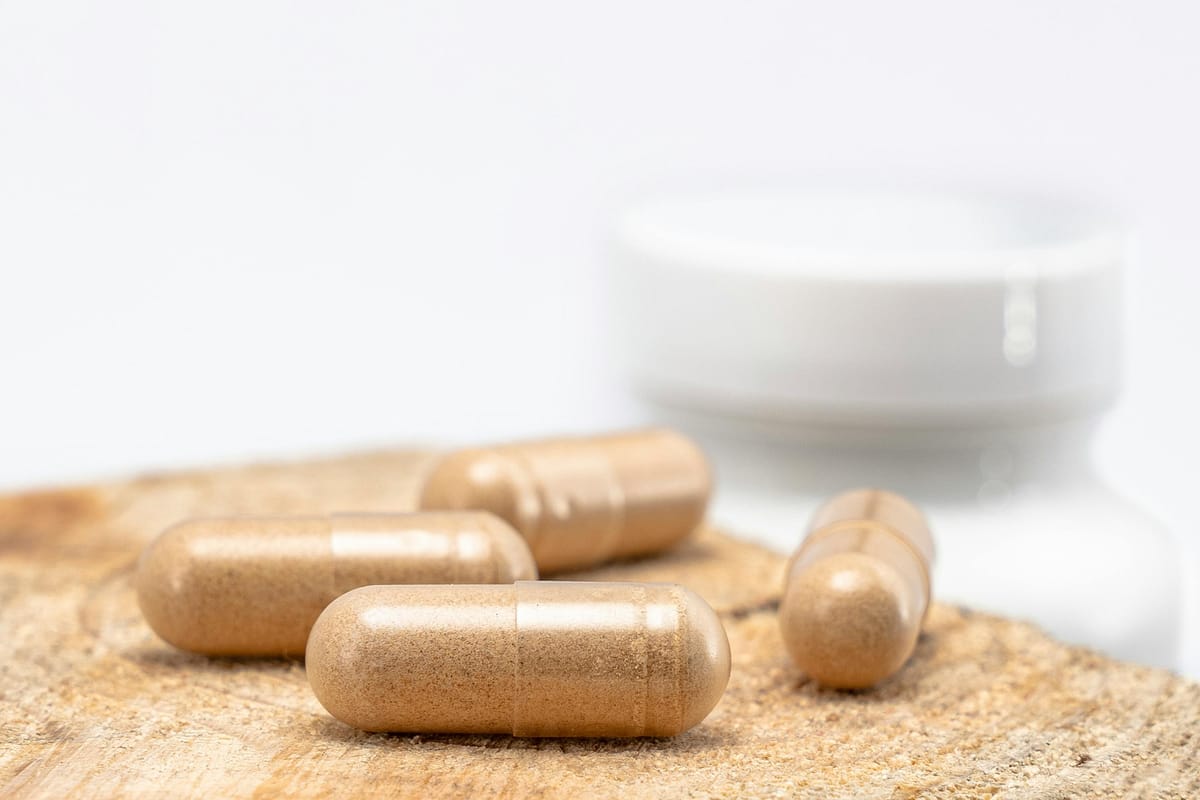
# Prickly pear extract (Opuntia ficus-indica)
The claim: prickly pear cactus extract taken before drinking reduces hangover severity.
The evidence: a 2004 Tulane University study (Wiese et al.) tested prickly pear extract versus placebo in 64 students drinking to mild intoxication. The extract group reported reduced nausea, dry mouth, and food aversion the next day. Notably, it did NOT reduce headache or overall hangover severity score.
What this means: the effect, where it exists, is real but partial. Specific symptoms get modest improvement; the overall experience doesn’t change much. The mechanism is thought to be reduction of inflammatory markers from alcohol metabolism.
The realistic view: probably worth a try if you’re prone to nausea-heavy hangovers. Don’t expect a transformative effect. Don’t expect protection from heavy drinking. The Tulane study used moderate drinking; whether the effect holds at heavier volumes is unknown.
Marketing has run wild with this study. Brands sell prickly pear capsules with “scientifically proven” claims that exceed what the actual data showed. The cure is real, partial, and modest.
# Korean pear juice (Asian pear, Pyrus pyrifolia)
The claim: drinking Korean pear juice (or eating pears) before drinking reduces hangover severity.
The evidence: a 2013 Australian study (CSIRO and the University of Western Sydney) tested Asian pear juice versus placebo. Found significant reductions in some hangover symptoms, particularly memory loss and overall severity. The proposed mechanism is enzyme support for alcohol metabolism (alcohol dehydrogenase and acetaldehyde dehydrogenase activity).
What this means: small but real effect, single study. Has not been broadly replicated.
Where that leaves it: more interesting than most pre-drink claims, less proven than the marketing suggests. Korean pear juice or actual Asian pears are inexpensive and food, so trying them isn’t a big commitment. The effect won’t transform a heavy session into a comfortable morning.
The cultural angle: Asian pears have been used in Korean and Chinese traditional medicine for hangovers for centuries. The Australian study was in part a test of whether the traditional use had biochemical merit. Partial support, not strong support.
# NAC (N-acetylcysteine)
The claim: taking NAC before, during, or after drinking reduces hangover severity by supporting glutathione production for acetaldehyde clearance.
The evidence: small studies with mixed results. NAC has solid biochemistry behind the proposed mechanism (it’s a precursor to glutathione, which your liver uses to neutralize acetaldehyde). Whether this translates to meaningful hangover reduction at supplement doses is less clear. Some studies show modest improvement, some show none.
What this means: theoretically sensible, practically modest at best. NAC is well-tolerated, used clinically for paracetamol overdose at much higher doses, and unlikely to cause harm at typical supplement amounts.
In practice: probably won’t hurt, possibly helps a little. The placebo effect from believing it works is often as large as the pharmacological effect. If you take 600mg-1200mg NAC before a heavy session, your hangover may be slightly milder. The “may” is doing a lot of work in that sentence.
NAC is sold in basic supplement bottles for £5-10 a month and in branded “hangover prevention” formulations for several times that. The active ingredient is the same.
# DHM (Dihydromyricetin)
The claim: an extract from the Japanese raisin tree reduces alcohol-induced cognitive impairment and hangover symptoms.
The evidence: animal studies show interesting effects, particularly on rats given alcohol. Human evidence is much thinner. Several brands market DHM-based “hangover pills” claiming dramatic results.
What this means: the rat data is real and interesting. The human data doesn’t yet support the marketing claims. The animal-to-human translation in supplements is often disappointing.
The state of the evidence: experimental. If you want to try it, fine. Don’t pay premium prices for a proven hangover prevention based on animal studies.
# Milk thistle (silymarin)
The claim: milk thistle extract supports liver function and reduces hangover severity.
The evidence: milk thistle has been studied for liver disease (hepatitis, cirrhosis) with modest evidence of mild liver-supportive effects. For acute hangover prevention, the evidence is essentially nonexistent.
What this means: probably useful for people with chronic liver issues, irrelevant for the morning after a heavy night. Your liver doesn’t need supplementation to process one night’s drinking; it needs time.
It does not work for hangovers. The “liver support” framing is marketing crossover from the chronic-disease research.
# Activated charcoal
The claim: take activated charcoal before drinking; it absorbs alcohol and toxins.
The evidence: activated charcoal is genuinely effective at absorbing some toxins from the gut, which is why it’s used in emergency rooms for certain poisonings. For alcohol specifically, it’s not particularly effective; alcohol is absorbed too quickly and through too much of the digestive tract for charcoal to make a meaningful dent.
What this means: doesn’t work as advertised for alcohol. May reduce absorption of some other gut compounds, including medications you actually need.
Activated charcoal does nothing for a hangover. Definitely don’t take activated charcoal at the same time as any prescription medications; it can absorb the drugs you need.
# Eating a tablespoon of olive oil
The claim: a tablespoon of olive oil before going out coats your stomach and slows alcohol absorption.
The evidence: fat genuinely slows gastric emptying, which slows alcohol absorption. Olive oil is fat. The principle is correct.
The mechanism: nothing magical. Olive oil works to the extent it’s food. Eating an actual meal does this much better, with the bonus of providing other nutrients and a more sustained effect.
Skip the olive oil shots and eat a real meal instead. The “coating your stomach” framing is folklore. The “slowing absorption” mechanism is real but weak in olive oil’s small-volume application. We covered the food side properly in Best Foods to Eat Before, During, and After Drinking.
# Raw eggs
The claim: a raw egg or “prairie oyster” (raw egg, hot sauce, Worcestershire) prevents or cures hangovers.
The evidence: raw eggs contain cysteine, an amino acid that’s a precursor to glutathione (similar mechanism to NAC). Some plausibility to the cysteine mechanism. The actual cysteine load from one raw egg is small.
The food-safety angle: raw eggs carry a small risk of salmonella. UK Lion-stamped eggs are considered safe for raw consumption; in many other countries the risk is meaningful.
Cooked eggs work just as well for the cysteine content (heat doesn’t destroy it appreciably). Eat eggs the morning after, not raw before. The “prairie oyster” tradition is bartender folklore, not effective hangover prevention.

# Vitamin B-complex
The claim: alcohol depletes B vitamins; taking a B-complex supplement before or after drinking prevents this and helps with recovery.
The evidence: heavy chronic alcohol use does deplete B vitamins, particularly thiamine (B1). For one heavy night, the depletion is modest and clears with a normal diet within a day or two.
What this means: a single B-complex supplement before drinking does very little for hangover prevention. The body doesn’t have a B-vitamin shortage from one night to fix.
The verdict: B-complex supplements are inexpensive, well-tolerated, and may make you feel virtuous. As an actual hangover preventer, they’re nearly inert.
# “Pre-drinking” hangover pills (branded blends)
A genre of products that combine several of the above ingredients (NAC, prickly pear, milk thistle, B vitamins, charcoal, etc.) into a single pre-drink pill marketed as “hangover prevention.” Brand examples vary by region.
What they actually do: deliver some real but modest effects from the few ingredients with real evidence (NAC, sometimes prickly pear), plus several inert or marginal ones. The combination doesn’t add up to more than the sum of the active parts.
What they cost: typically £20-40 for a small pack of pills. The active ingredients in basic supplement form would cost a fraction of this.
What you are buying: a premium for branding and convenience, and an effect that’s mostly placebo plus the modest real effect of NAC and prickly pear. If you genuinely want those two, buy them as basic supplements and save the difference.
# What actually works for pre-drink hangover prevention
Based on the evidence, the interventions with real impact:
- Eat a proper meal an hour before: slows absorption, supports blood sugar, real evidence
- Pre-hydrate with water: starts you not already dehydrated, real benefit
- Pace yourself during drinking: the single biggest variable, real evidence
- Stop drinking 2-3 hours before bed: dramatically improves sleep, real evidence
- Choose lower-congener drinks if drinking heavily: real evidence, modest effect
- NAC or prickly pear: real evidence, small effect, possibly worth the investment
What doesn’t work:
- Most branded pre-drink products beyond their NAC content
- Activated charcoal
- Olive oil shots
- Raw eggs as a pre-game
- Most supplements pitched as “liver support”
# How AlcoLog supports the actual evidence-based prevention
The evidence consistently points to volume, pace, and timing as the variables that matter for hangover severity. AlcoLog tracks all three.
Every drink logs with timestamp, so the running stat line shows your drinks-per-hour as you go. The Hydration reminder fires on a schedule (by time interval, by drink count, or both, set in the Alerts tab) to support drinking water alongside. Consumption alerts (units on Free, drinks/calories/cost on Premium) notify you when you cross a threshold you’ve set.
Over time, the History view’s session list shows the patterns: which session shapes (long, fast, late) produce bad mornings, and which patterns are reliably easier on you. The data answers the prevention question better than any pill ever has.